What if one small mental habit could change what your brain notices each day? That’s the promise behind gratitude and positivity. It isn’t forced cheer, and it doesn’t ask you to ignore stress. Instead, it helps train attention toward what is steady, kind, and meaningful.
Research suggests gratitude can affect brain systems tied to reward, learning, and emotional balance. Over time, that can support a positive mindset, more grounded optimism, and better perspective on hard days. The changes are usually subtle at first, but repeated practice can add up.
What happens in the brain when you practice gratitude
Your brain changes based on what you repeat. This ability is called neuroplasticity. In plain English, it means the brain gets better at whatever it practices most.
If you spend a lot of time scanning for problems, the brain gets efficient at spotting threat. That makes sense, because humans are built to notice danger. Yet that same habit can make daily life feel heavier than it is.
Gratitude offers a different kind of repetition. When you pause and notice what went well, or who helped you, you activate attention, memory, and emotion at the same time. That matters because the brain learns faster when feelings are involved.
The American Brain Foundation’s explainer notes that gratitude can engage reward pathways linked with motivation and mood. Some research also connects grateful reflection with activity in the prefrontal cortex, an area that helps with decision-making and emotional control.
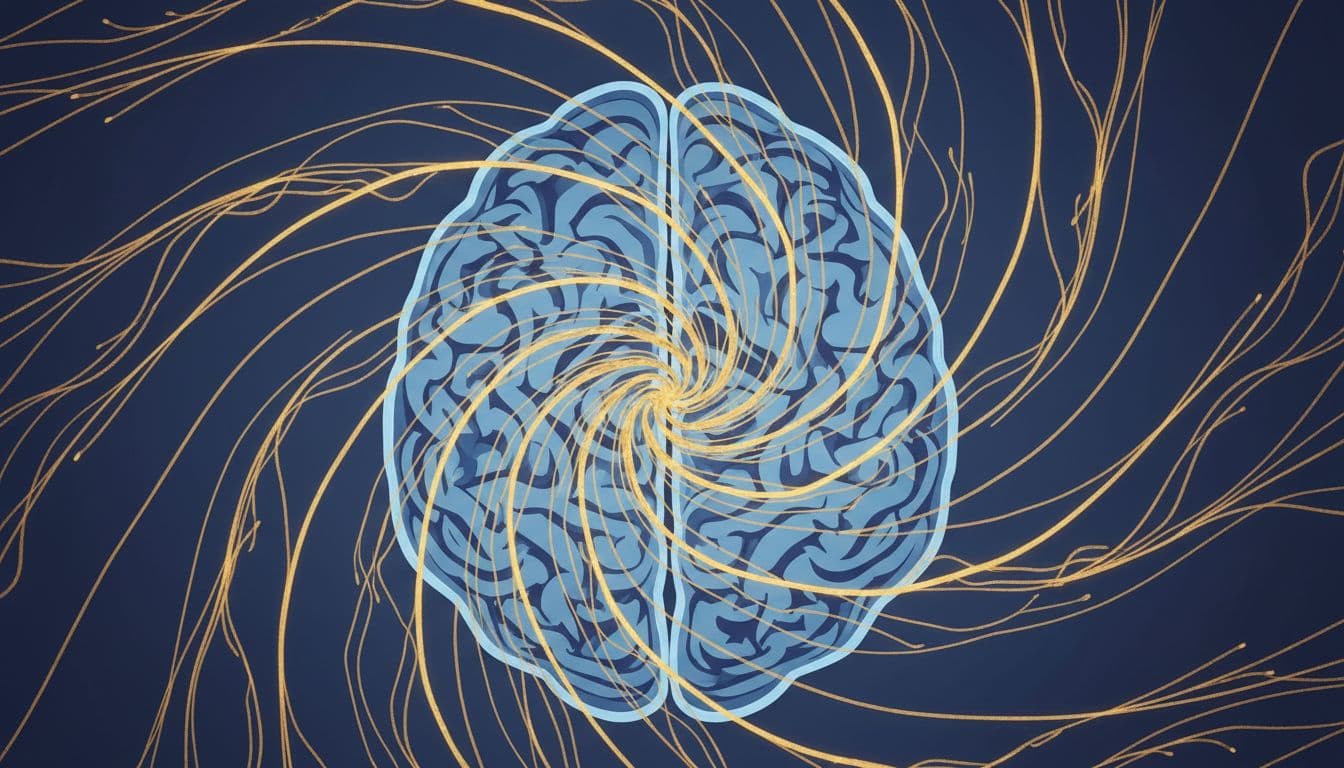
Think of it like walking a path through tall grass. The first few trips barely leave a mark. Keep walking it, though, and the trail becomes easier to follow. A gratitude practice works in a similar way. Each moment of appreciation becomes one more pass along a healthier mental path.
That doesn’t mean gratitude is a cure-all. It won’t erase grief, fix trauma, or guarantee happiness. Still, it can help the brain become less stuck in a threat-only mode. That alone can make room for more positivity in everyday life.
Why gratitude changes your outlook over time
Gratitude helps because it widens the frame. A hard day may still be hard, but it stops being the whole story. You begin to notice support, beauty, effort, and progress alongside the stress.
This matters because the brain has a negativity bias. Bad news grabs attention fast. That bias once helped humans survive, but it can crowd out everything else. With repeated gratitude, you teach your mind to register more than what’s wrong.
Gratitude doesn’t deny pain. It reminds you that pain isn’t the only fact in the room.
Over time, that shift can support optimism, not blind optimism, but the kind rooted in reality. You still see problems. You also see resources. As a result, setbacks often feel more workable.
A helpful neuroscience of thankfulness article describes gratitude as a practice that may support dopamine release and emotional regulation. In other words, appreciation can make positive experiences feel more noticeable and easier to remember.
There’s also a social side. When you thank someone, you reinforce trust and connection. That sense of safety can calm the nervous system. In addition, gratitude can support self love. Instead of only tracking flaws, you start noticing effort, growth, and the ways you showed up for yourself.
That is where a positive mindset becomes realistic. It’s less about “good vibes only” and more about balanced seeing.
A simple gratitude practice you can keep
The best gratitude habit is the one you’ll actually do. So keep it small. A daily entry, a 60-second pause, or a quick text of thanks is enough to start.
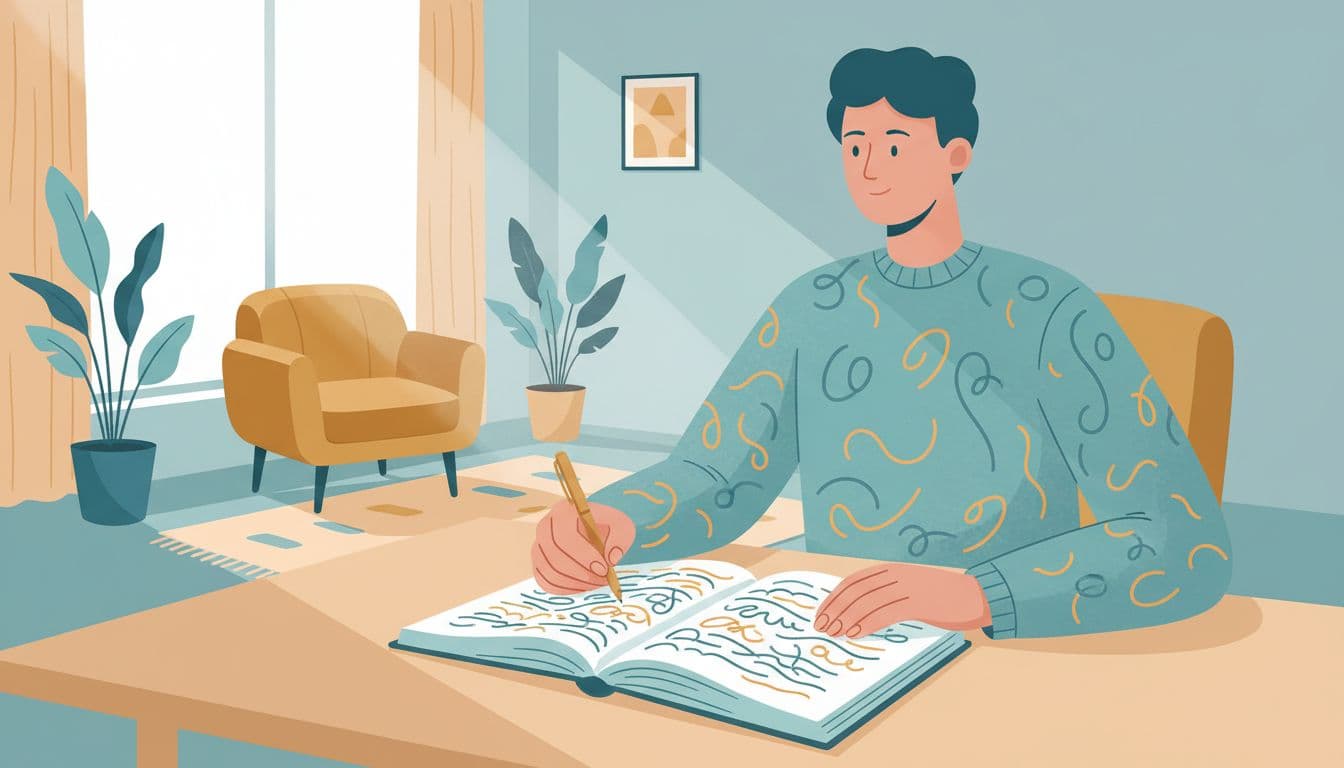
A simple journal works well because writing slows your thoughts down. Try listing three specific things from the day and why they mattered. “My friend checked on me” is good. “My friend checked on me when I felt off, and I felt less alone” is even better. Details help the brain hold onto the moment.
If writing isn’t your style, pair gratitude with something you already do. Think of your morning coffee, your evening shower, or the moment you get into bed. That’s habit stacking, and it makes consistency easier.
These prompts can help when your mind goes blank:
- What felt easier today than it used to?
- Who or what made me feel supported?
- What small thing did I enjoy with my full attention?
On rough days, aim lower, not higher. You don’t need a grand insight. You can feel grateful for warm socks, a working car, or five quiet minutes. Small, honest answers count.
A practical overview from Center for NeuroWellness makes the same point: repetition matters more than intensity. A short, steady gratitude practice often does more than occasional bursts of inspiration.
Try this rhythm for one week. First, pause and breathe once. Next, name one thing that helped you today. Finally, add one sentence about why it mattered. That’s enough to begin training attention in a gentler direction.
A steadier mind starts with what you notice
Your brain is always learning from where you place attention. When you practice gratitude, you teach it to notice support, meaning, and possibility alongside stress. That won’t make life perfect, but it can build a more balanced inner world, stronger perspective, and quiet positivity over time. Start tonight with one honest sentence, and let repetition do the work.