What makes someone seem calm, warm, and easy to trust? Often, it isn’t charm or confidence. It’s a set of small, repeatable behaviors that show real emotional intelligence habits in action.
These habits show up in ordinary moments, during a tense meeting, a hard text exchange, or a quiet talk at home. If you want stronger relationships, more self-control, and a steadier inner life, these eight signs are worth noticing and practicing.
Self-awareness shows up before words do
They check in with their emotions
A person with high emotional intelligence doesn’t wait for a blow-up to notice they’re upset. For example, after a tense email, they may think, “I’m not just stressed, I’m embarrassed and irritated.” That small shift matters, because naming a feeling often makes it easier to manage. It also keeps them from taking that mood out on the next person. To practice it, pause twice a day and ask, what am I feeling, where do I feel it, and what might help right now?

They pause before reacting
Emotionally aware people still get annoyed, hurt, or defensive. The difference is that they create a little space before they respond. If a partner forgets something important, they don’t always fire back on impulse. Instead, they take one breath, sip water, or say, “Give me a second.” That pause protects the relationship and their own peace. You can build this habit by choosing one simple reset move and using it every time your body starts to tense up.
Humility and self-respect can exist together
They own mistakes without falling apart
Some people dodge blame. Others drown in shame. High emotional intelligence sits in the middle. If they’re late, short-tempered, or careless, they usually say so plainly: “I was late, and I can see that affected you.” That’s powerful because accountability builds trust, while over-explaining often weakens it. It also shows inner steadiness. To strengthen this habit, keep repairs simple. Name what happened, acknowledge the impact, and ask what would help next time.
They respect boundaries, even the small ones
Emotionally intelligent people notice limits, their own and yours. They don’t keep pushing after a “not tonight,” and they don’t unload on a tired friend without asking first. That awareness shows empathy, but it also reflects self love. Healthy boundaries say, “I matter, and so do you.” In daily life, this can look like checking timing, accepting a no, or leaving space when someone needs it. Start small: ask before venting, and don’t punish honesty with guilt.
High emotional intelligence isn’t perfect behavior. It’s the habit of noticing, adjusting, and repairing.
Conversation feels safer around them
They practice active listening
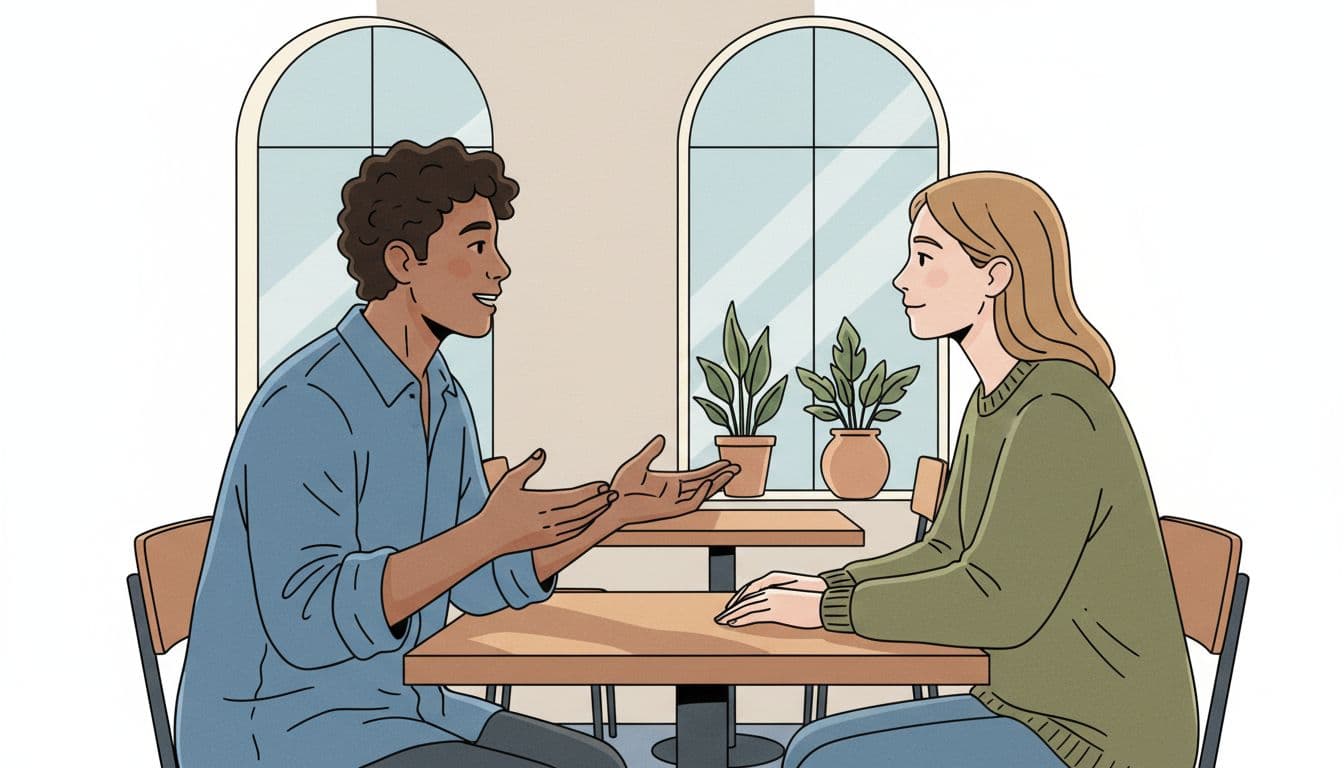
One of the clearest emotional intelligence habits is listening without turning the spotlight back to yourself. When a friend shares something painful, they don’t rush to compare stories or fix everything. They stay present, make eye contact, and reflect back the heart of what they heard. That makes people feel seen, and feeling seen lowers tension fast. To practice this, hold advice for a minute longer than feels natural. Try, “It sounds like you felt dismissed,” and let the other person respond.
They use emotionally precise language
Words can calm a moment, or inflame it. People with strong emotional skills tend to choose language that is clear and fair. Instead of saying, “You’re overreacting,” they might say, “You seem hurt and frustrated.” That kind of emotional accuracy reduces defensiveness because it sounds less like an attack. It also helps both people understand what’s really happening. You can build this habit by swapping labels for observations and using simple feeling words, then checking, “Did I get that right?”
Their mood helps the room, not controls it
They keep a gratitude practice
A steady gratitude practice is often less flashy than people expect. It may be a quick thank-you to a coworker, a text of appreciation, or writing down three good moments before bed. Small acts like these train attention toward what is supportive, kind, and working well. As a result, people around them often feel more valued. If you want this habit, keep it specific. “Thanks for helping me reset after that meeting” lands better than a vague “thanks for everything.”

They bring positivity with realism
Real positivity doesn’t deny pain. It makes room for truth and still looks for the next useful step. That’s why emotionally intelligent people rarely sound fake-cheerful in hard times. They might say, “This is rough, but we can handle one part of it today.” That mix of optimism and a positive mindset feels grounded, not forced. It helps others breathe. You can practice this by pairing honesty with action: name the hard thing, then name one doable step forward.
Small habits often reveal more than big speeches. A person’s tone, pause, apology, and attention tell you a lot about their emotional life. If even one of these habits stood out, try it today and repeat it tomorrow. That’s how emotional intelligence grows, quietly, consistently, and in ways people can truly feel.