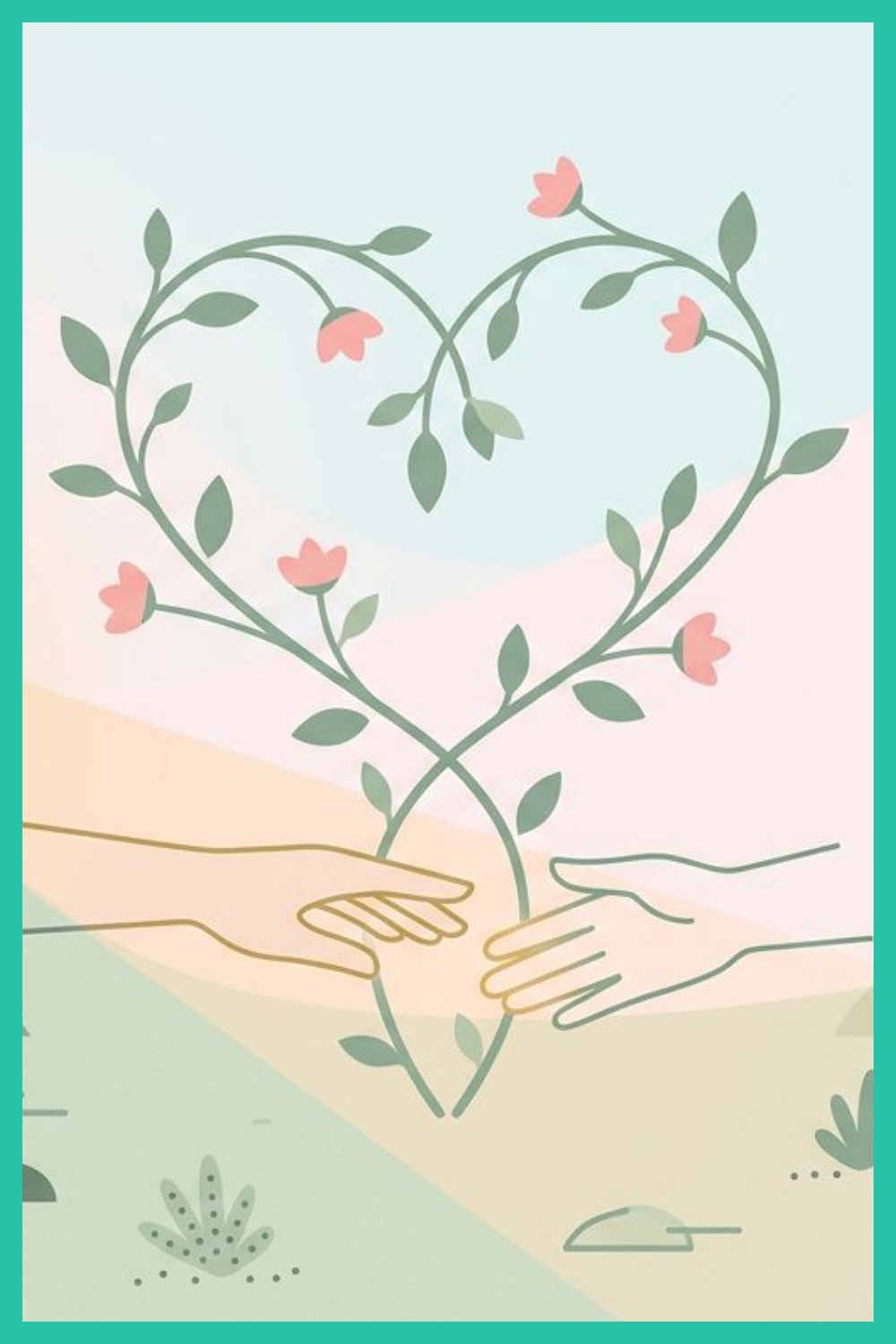
Can a simple thank you change a relationship? Often, yes. Gratitude helps people feel seen, valued, and less alone, which can soften tension and build trust over time.
Still, gratitude isn’t magic. It works best in healthy relationships, where honesty, respect, and repair already have room to grow. Think of it like sunlight in a garden. It helps good things grow, but it can’t fix bad soil by itself.
Why gratitude helps people feel seen
Gratitude in relationships is less about being cheerful all the time and more about noticing what matters. When people feel appreciated, they usually relax. They stop bracing for criticism and start feeling safer with each other.
Many findings in positive psychology point in the same direction. Regular appreciation tends to support closeness and satisfaction. That makes sense. Most people want to know their effort counts, whether they cooked dinner, showed up during a hard week, or sent a quick text at the right time.
In couples, gratitude can interrupt the habit of only noticing what went wrong. A partner who says, “Thanks for handling that call, I know it was stressful,” sends a clear message: I see you. Over time, that kind of response supports a more positive mindset.
Friendships benefit too. A friend who hears, “I really appreciated you checking in,” is more likely to stay open and connected. Family bonds often shift in the same way. A parent who thanks a teen for helping without being asked builds respect. An adult child who thanks a parent for listening can ease old tension.
This doesn’t mean fake smiles or forced positivity. Real gratitude is grounded. It names something true. Because of that, it creates warmth without pretending everything is perfect.
Gratitude works best when it’s specific, honest, and said out loud.
Daily habits to build gratitude in relationships
Big speeches are rare. Small rituals matter more because they repeat. A steady habit of appreciation can change the emotional climate of a home, a friendship, or a marriage.

Try a few simple practices and keep them light:
- Name one thing each day: At dinner or before bed, share one thing you appreciated about the other person that day.
- Send a short voice note: Friends often respond well to quick, warm messages. A 20-second thank you can mean more than a long text.
- Use “I noticed” language: Say, “I noticed you stayed calm when things got tense.” That feels more personal than a vague “You’re great.”
- Pair gratitude with touch or eye contact: For couples and close family, a hand squeeze or warm look can make the moment land.
These habits work because they train attention. Instead of scanning for flaws, you begin spotting care, effort, patience, and follow-through. As a result, optimism grows. People start expecting kindness, not just correction.
Conversation prompts that spark appreciation
If words don’t come easily, prompts can help. Use them with a partner, at a family meal, or during a walk with a friend.
- “What did I do this week that helped you feel supported?”
- “What’s one small thing about me you don’t want me to stop doing?”
- “When did you feel most cared for lately?”
These questions keep gratitude concrete. They also open the door to better communication. For example, a spouse might say, “I felt cared for when you cleaned up while I was tired.” A friend might say, “I appreciated that you remembered my interview.” Those answers teach people how to love each other better.
When gratitude isn’t enough on its own
Gratitude strengthens healthy bonds, but it doesn’t replace hard conversations. If trust is broken, someone keeps crossing lines, or anger stays buried, appreciation alone won’t fix it.
That matters because some people use gratitude to avoid discomfort. They think, “I should just be thankful,” when they actually need to speak up. In other cases, a hurt partner gets thanked but never heard. That isn’t healing. It’s deflection.
Healthy relationships still need boundaries, conflict skills, and accountability. If your friend cancels plans over and over, gratitude for their good traits doesn’t erase the pattern. If a family member makes cruel comments, appreciation for their help doesn’t excuse the harm. If a partner says sorry but never changes, kind words are not enough.
A better approach sounds like this: “I appreciate how hard you work for our family, and I also need us to talk about how we handle conflict.” That sentence holds both truth and respect.
Gratitude and honesty can live together. In fact, they should. Appreciation makes repair easier because it reminds both people that the relationship has value. Still, repair requires action. People need to listen, own their part, and do better next time.
Start your own gratitude practice today
The easiest place to begin is with yourself. A personal gratitude practice can build calm, self-awareness, and self love, which often improves how you treat others.
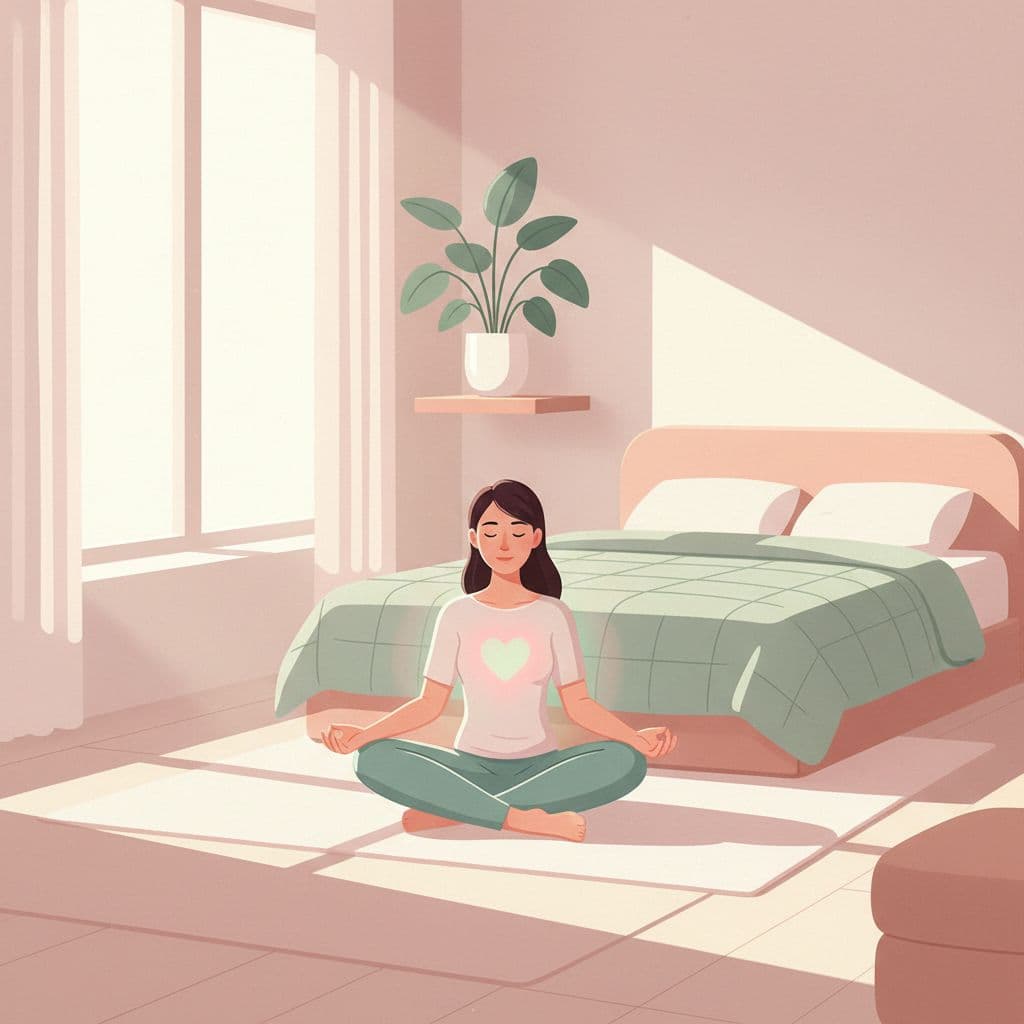
Keep it simple. Each morning, write down three things: one thing you value about yourself, one thing you appreciate about someone else, and one relationship moment you want to handle with more care today. That takes two minutes, not twenty.
This small ritual helps you notice good things without denying pain. It also makes your appreciation more natural later. When you respect your own feelings, you’re less likely to beg for scraps or ignore red flags. That’s where gratitude becomes healthy, not self-erasing.
In the end, gratitude isn’t the whole secret, but it’s a powerful part of one. It helps people feel seen, and feeling seen changes how people love. Start small, stay honest, and let gratitude in relationships become a daily practice, not a rare event.