When money is tight, every dollar can feel claimed before payday even arrives. That stress is real, and it can make saving seem out of reach. Still, you can build savings on a low or fixed income without cutting the basics that keep life stable.
The goal is not perfection. It’s a simple plan you can repeat. If you want to save money on a tight budget, focus on small moves that protect essentials, reduce waste, and lower stress at the same time.
Start with a budget that protects essentials
A tight budget works best when it starts with needs, not guilt. First cover housing, utilities, groceries, transportation, medicine, and debt minimums. After that, look at what remains. That amount is all you have for flexible spending and savings.
Keep the setup simple:
- Write down your monthly take-home pay.
- List fixed bills and due dates.
- Estimate weekly essentials, then leave a small cushion.
If the math feels close, that’s okay. You’re not failing. You’re getting honest numbers, and honest numbers help. A bare-bones budget is like packing a backpack for a long walk. You only carry what helps you get home safely.
Before you cut anything, ask one question: “Does this protect my daily life?” Rent does. Medication does. Gas to get to work does. Three unused subscriptions probably don’t.
You can also lower costs before the month gets hard. Call service providers early. Ask about hardship plans, cheaper phone tiers, or payment arrangements. Many companies would rather adjust your bill than lose you completely.
Start with a savings goal that feels almost too small. That could be $5, $10, or $25 per paycheck. Small deposits still build proof. They tell your brain, “I keep promises to myself.”
If you want more practical examples for low-income households, these low-income saving tips can give you a few realistic places to start.
Track every dollar for one week
You don’t need a budgeting app or a spreadsheet to do this well. A notebook, phone note, or stack of receipts works fine. The point is to spot patterns, not to judge yourself.
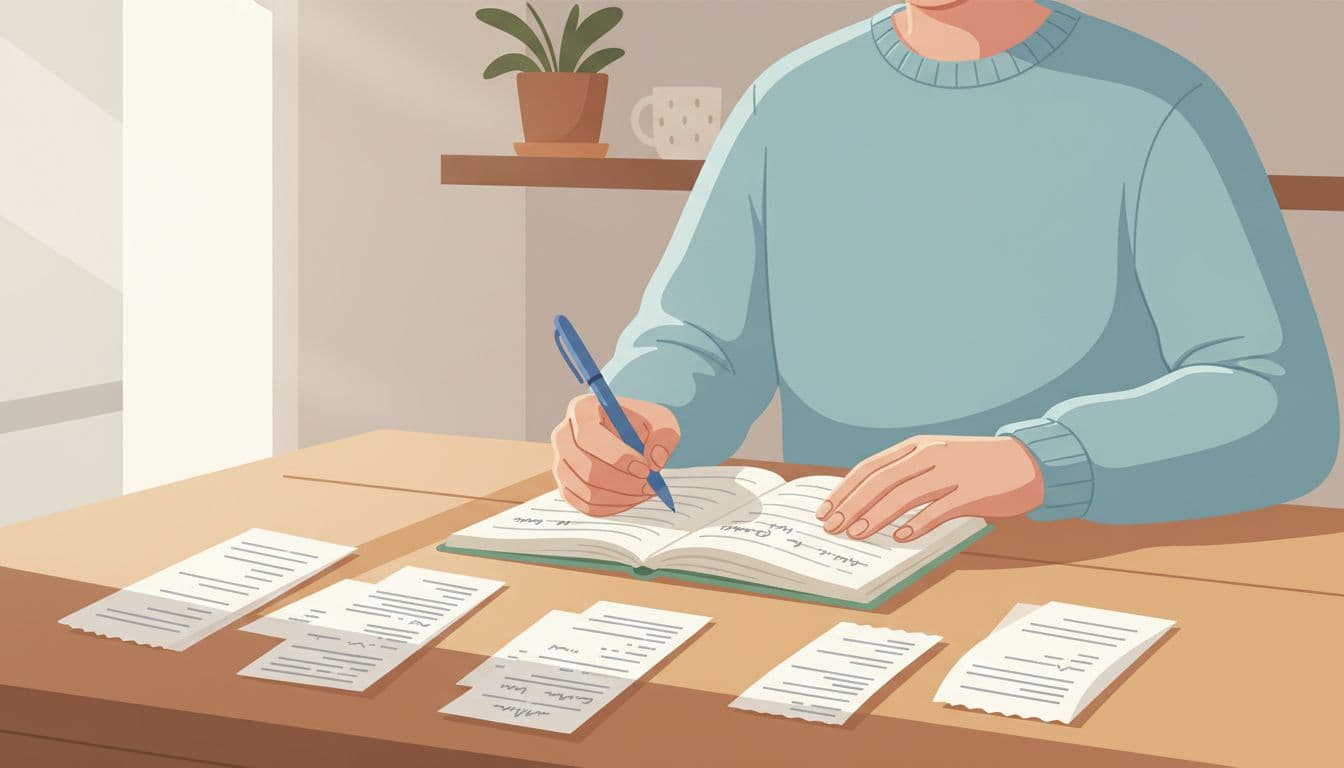
For seven days, write down the date, amount, and reason for each purchase. Keep it short. “Coffee before work, $4.” “Delivery fee, $8.” “Late fee, $15.” That’s enough.
After the week ends, circle three kinds of spending:
- Forgotten charges: old trials, app fees, auto-renewals
- Convenience spending: takeout, gas station snacks, extra errands
- Stress spending: small purchases made when tired, bored, or upset
This step matters because small leaks are easy to miss. A few delivery fees, two impulse buys, and one bank fee can quietly eat your savings. Once you see the pattern, the next choice gets easier.
Try not to change everything at once. Pick one leak and fix that first. Maybe you cancel one subscription. Maybe you pack snacks for work. Maybe you stop at the store once a week instead of four times.
For more ideas you can skim and test, this list of money-saving ideas for a tight budget can help you find a few easy wins.
Cut costs in low-pain places first
The fastest way to save is not to slash essentials. It’s to trim the spending around them. Extreme plans usually break fast. Small swaps often last.
Here are a few places where simple changes can free up cash:
| Expense | Simple swap | Why it helps |
|---|---|---|
| Takeout lunches | Pack leftovers twice a week | Cuts impulse spending |
| Streaming services | Keep one, pause the rest | Lowers monthly bills |
| Grocery trips | Shop with a short list | Reduces extra items |
| Household supplies | Buy store brands first | Lowers cost without much change |
These swaps may look small, but together they can create real breathing room.
Food is often the easiest place to start. Build two or three low-cost meals you can repeat, such as chili, rice bowls, pasta, soups, or baked potatoes with toppings. Repeating a few meals isn’t boring when the goal is relief. It’s efficient.
Transportation also matters. Combine errands into one trip. Use a gas rewards program if it’s free. If public transit works for part of your week, even one less drive helps.
Then give impulse buys a speed bump. Wait 24 hours before buying non-essentials. If you still want it tomorrow and the money is there, fine. Most of the time, the urge passes.
If you need quick ideas because an urgent bill just landed, this roundup of ways to save money fast may help you free up cash in the short term.
Make saving automatic and protect your motivation
Saving money isn’t only about math. It’s also about stress, habit, and emotion. When you’re worn out, even a good plan can fall apart. That’s why motivation needs care too.

Make the habit easy. Move a tiny amount to savings every payday, even if it’s only $5. Use a separate account or a cash jar so the money doesn’t blend into spending. You can also save part of gift money, tax refunds, or side-income instead of trying to save only from regular pay.
Then work on your mindset. A little positivity goes a long way when money feels heavy. Practice self love by dropping harsh self-talk. If you overspent last week, reset this week. Shame doesn’t build better habits.
A short gratitude practice can help too. Once a week, write down three things your income covered, such as food, electricity, or a bus pass. That builds optimism and a steadier positive mindset without pretending life is easy.
Save the amount you can repeat, not the amount that looks impressive.
Some people also find it helpful to pause for two slow breaths before checking their bank balance. That tiny reset can lower stress and help you make calmer choices.
Small savings still count
You don’t need a big paycheck to start saving. You need a plan that protects essentials, catches leaks, and repeats every week. Start with one change today, even if it’s only $5 or one canceled charge. Over time, consistency beats intensity, and that small cushion can bring real peace.