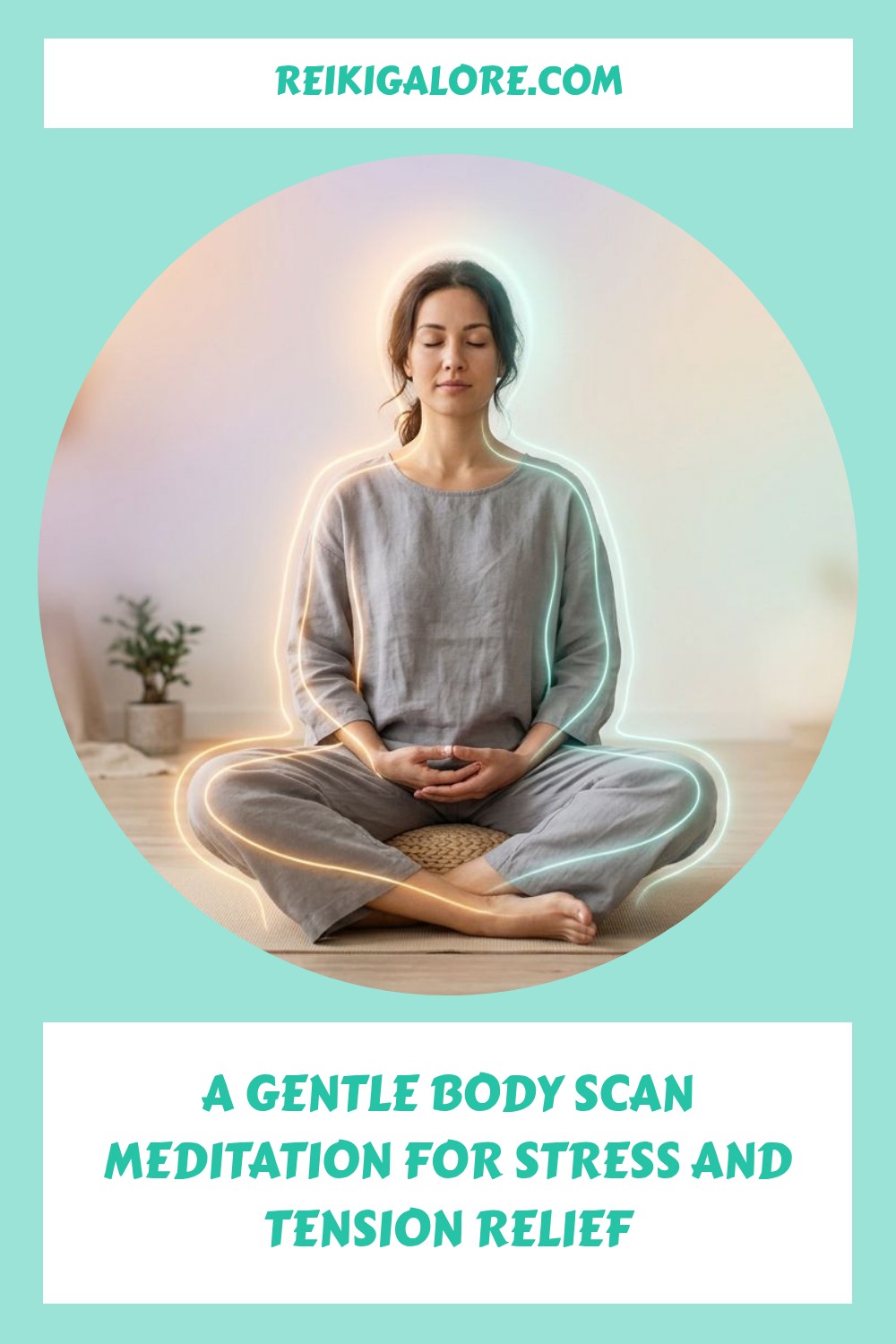
Ever notice how stress shows up in your jaw, neck, or stomach before you even name it? A body scan meditation helps you catch that tension early, with less effort than you might expect.
This practice doesn’t ask you to empty your mind or force calm. Instead, it invites you to notice one area at a time and meet yourself with patience. That small pause can help your body soften.
If stress has made you feel disconnected, this is a simple way back.
Why body scan meditation helps when stress settles in the body
Stress often speaks through the body first. Your shoulders lift, your breath gets shallow, and your hands tighten without permission. A body scan meditation slows that autopilot and brings your attention home.
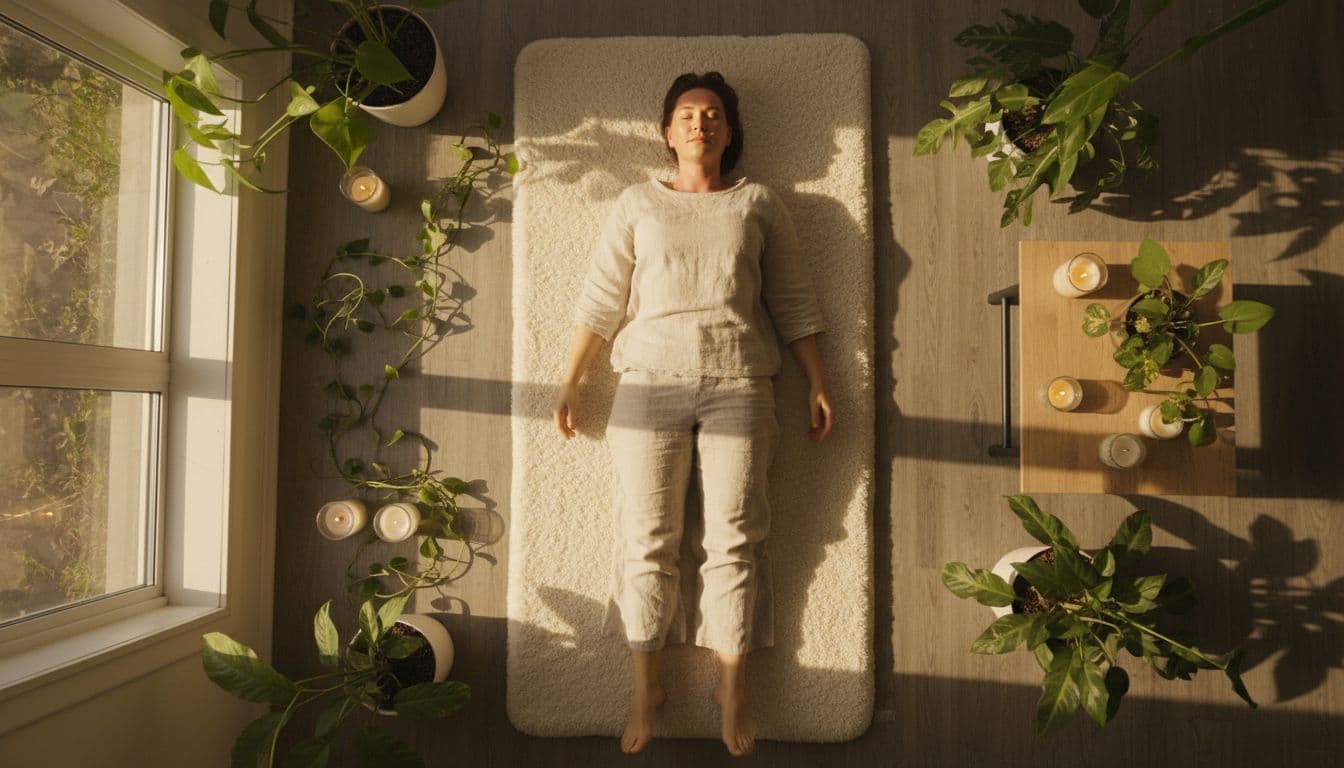
As you move from feet to head, you stop arguing with sensation. You notice warmth, pressure, heaviness, tingling, or even numbness. Some spots relax quickly. Others stay tense. Both responses are okay.
That’s part of why this works so well when your mind feels busy. You’re giving your attention a simple path to follow. Like turning down a noisy radio, the practice can lower mental static by giving the body a voice.
A gentle scan isn’t about perfect peace. It’s about honest awareness. That matters, because real positivity doesn’t come from pretending you’re fine. It grows when you notice what’s true and respond with care. Over time, that can support a more positive mindset, a steadier sense of optimism, a small gratitude practice, and deeper self love.
If you’d like a plain-language overview, Cleveland Clinic’s guide to body scan meditation explains the basic idea clearly.
How to make the practice feel safe and approachable
You don’t need a silent room or a perfect setup. You need enough comfort to stay present for a few minutes. Lie down if that feels best, or sit with your back supported. Keep a blanket nearby if warmth helps your body relax.
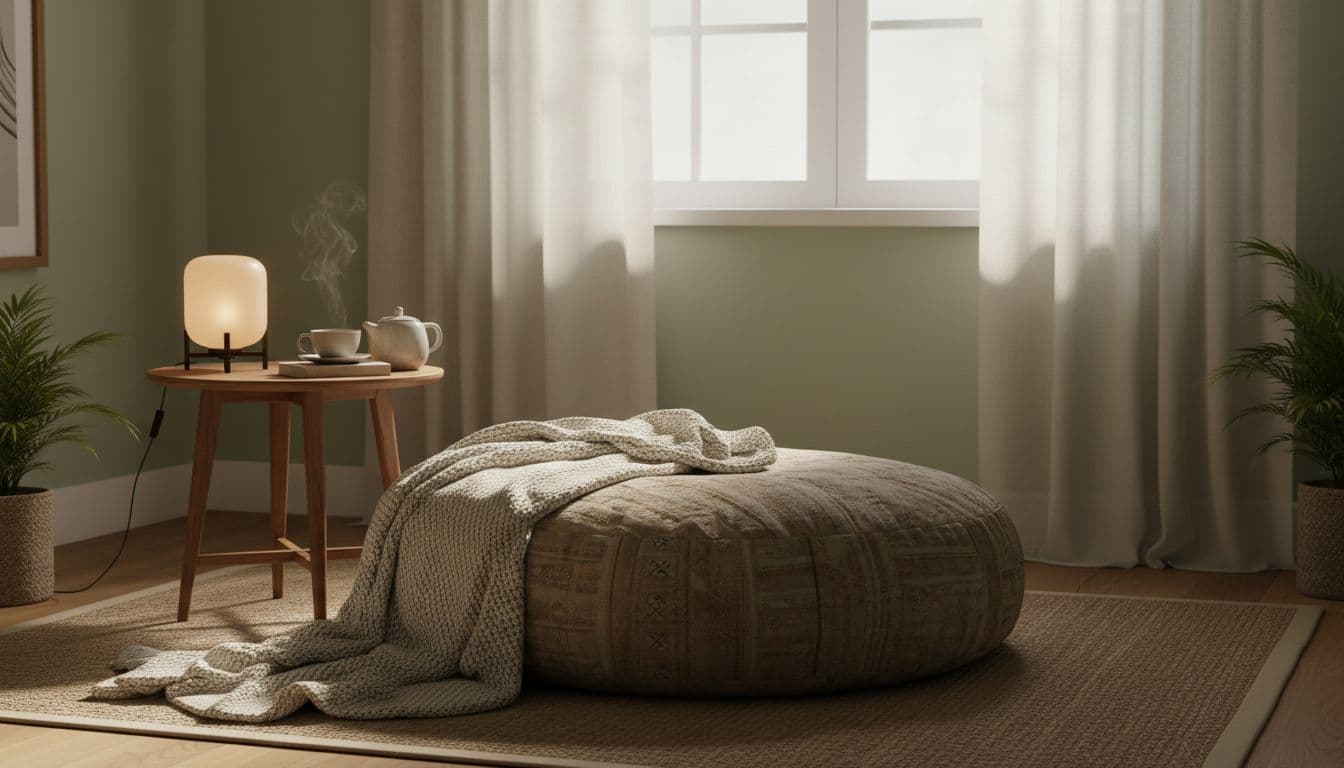
Set a timer for three to 10 minutes. Short is enough. In fact, shorter often feels safer for beginners. If closing your eyes feels uneasy, soften your gaze instead. If lying still feels too exposed, stay seated or keep one hand on a cushion or chair.
You don’t have to relax on command. Your only job is to notice, then let the next breath come.
Choice matters here. You can skip any body area that feels triggering, painful, or too intense. You can pause, open your eyes, wiggle your fingers, or stop early. This is not a test. It’s a wellness practice, not medical advice.
It also helps to keep one anchor nearby. That might be the feeling of your feet on the floor, the sound of a fan, or your hand resting on your chest. If you practice Reiki, you may also place your hands lightly on a comfortable area. The touch can feel steadying, but it should never feel forced.
For more beginner-friendly guidance, Calm’s step-by-step body scan guide keeps the practice simple and gentle.
A short guided body scan you can do on your own
Use the script below as written, or change the order to suit you. Gentle is the point. If any step feels uncomfortable, skip it and move on.
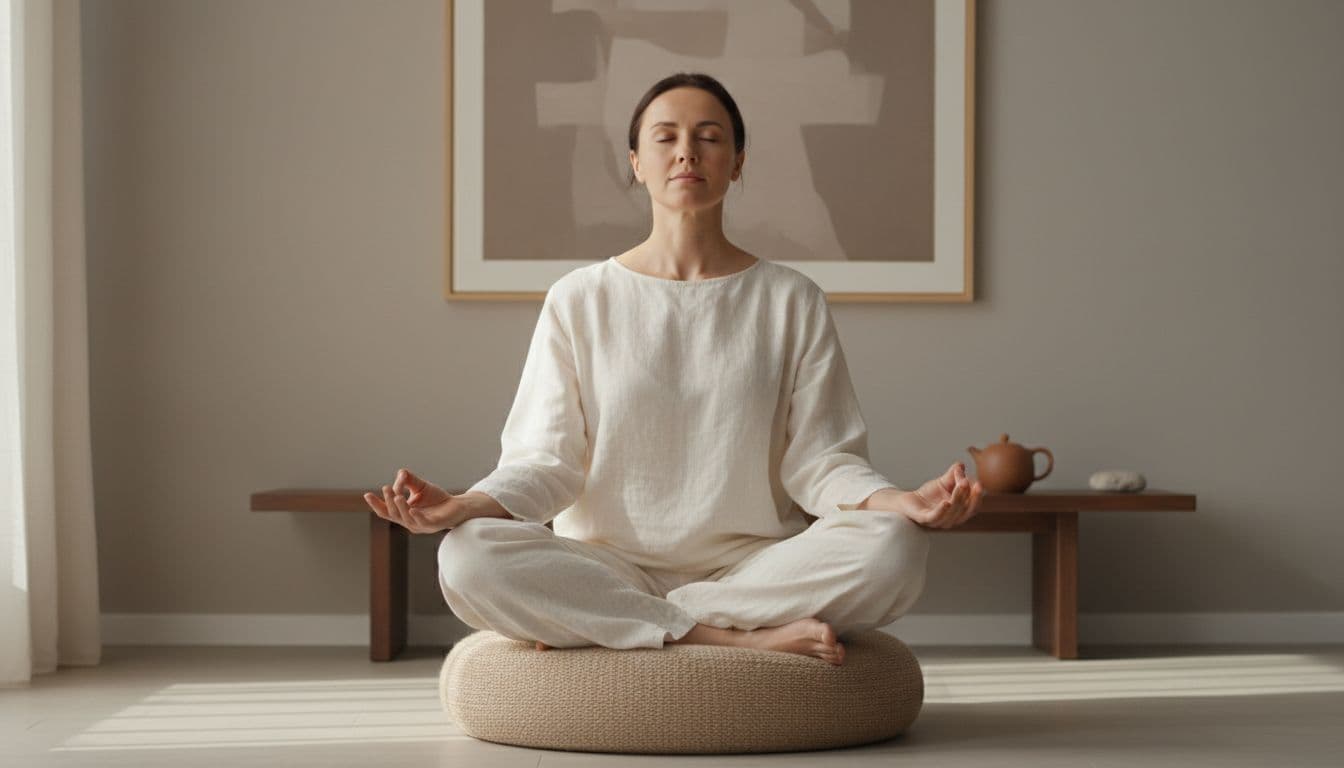
- Find a position that feels supported. Let your hands rest easily. Notice the places where your body meets the chair, mat, or bed.
- Bring attention to your breath. Don’t force a deep inhale. Simply notice air moving in, then moving out.
- Move to your feet and legs. Feel contact, temperature, weight, or nothing at all. If your mind wanders, guide it back without scolding yourself.
- Shift to your hips, belly, and lower back. If you notice tension, imagine giving that area a little more space. You don’t need to push anything away.
- Bring awareness to your chest, shoulders, arms, and hands. Stress often gathers here. If it helps, unclench your jaw and soften your fingers.
- Notice your throat, face, scalp, and eyes. Let your brow loosen. Let your tongue rest. If emotion rises, name it softly and keep breathing.
- Sense your whole body at once. Feel yourself supported by the surface beneath you. Take one fuller breath, then open your eyes when you’re ready.
Afterward, sit for a moment before standing. Notice what changed, even if it’s small. Maybe your breathing feels easier. Maybe the tension is still there, but it has a little more room around it.
If you’d like another gentle version to follow, Mindful’s beginner body scan meditation offers a warm place to start.
Stress can make your body feel like a room with the lights off. A body scan meditation turns on one small lamp at a time.
You don’t need perfect calm. You need a few honest minutes, a little patience, and permission to move slowly. Sometimes that’s enough to release tension. Often, it’s enough to feel like yourself again.