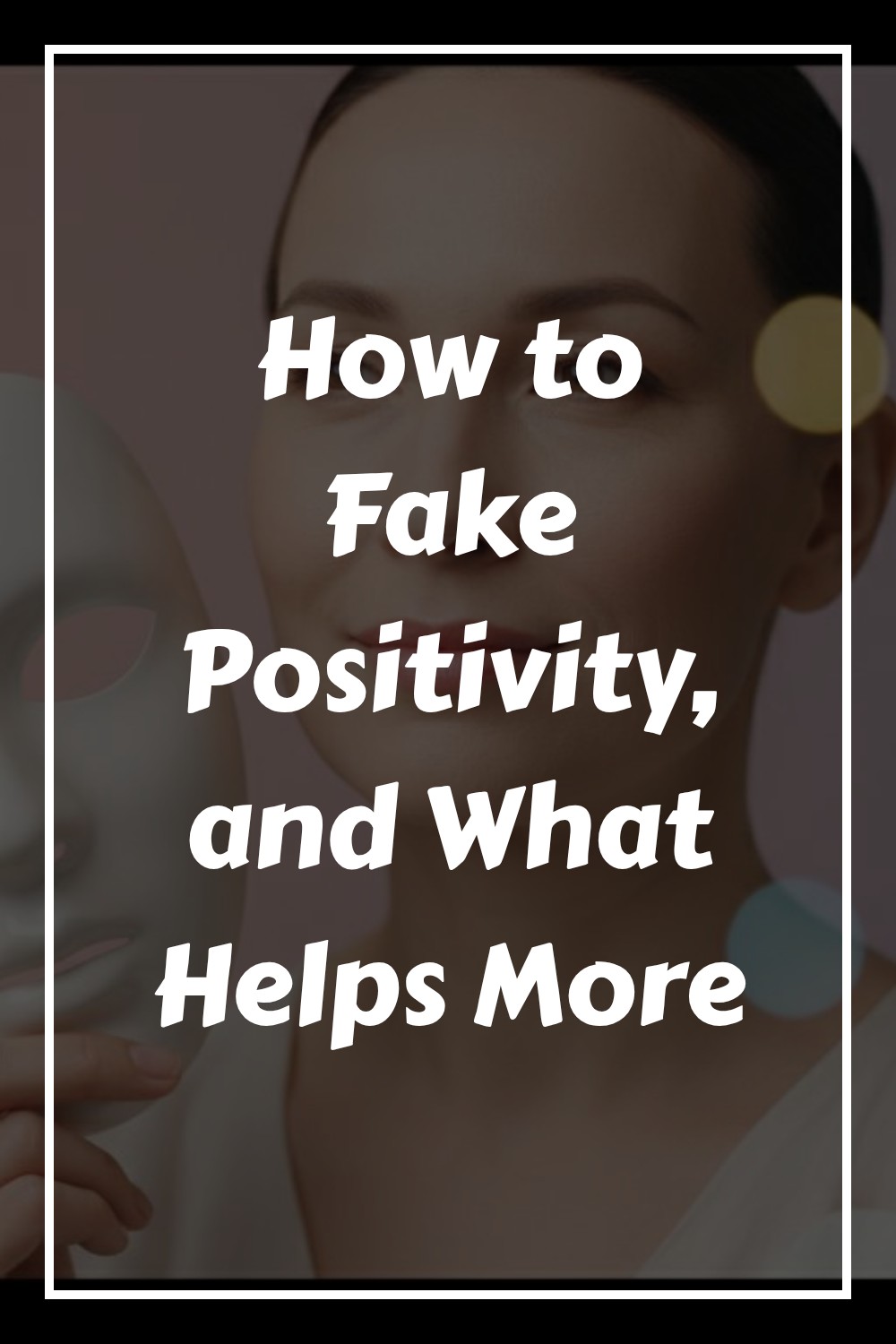
A smile can turn into armor before you notice it. If you keep saying you’re “good” while your chest feels tight, you’re not alone.
Many adults learn fake positivity because it feels safer than honesty. Yet forced cheer rarely brings peace. It often hides stress, grief, anger, or burnout. First, it helps to see what this pattern really is.
What fake positivity really means
Fake positivity isn’t the same as hope. It’s the habit of covering pain with bright words before the pain gets heard.
You see it in small moments. Someone leaves a hard meeting and says, “All good.” A friend shares heartbreak and hears, “Good vibes only.” A parent tells a sad child to smile instead of listening. The tone sounds upbeat, but the message is clear: hard feelings aren’t welcome here.
A healthy positive mindset works differently. It can hold two truths at once. This hurts, and I can cope. I’m upset, and I still have options. That’s why real optimism feels steady, while fake cheer feels rushed.
As Calm’s overview of toxic positivity explains, pressure to stay upbeat can block emotional honesty instead of helping it.
Most people don’t do this to deceive others. They do it to stay safe. Maybe they grew up in a home where sadness got mocked. Maybe their workplace rewards calm faces and punishes vulnerability. Maybe they learned that being easy to handle brought praise.
Real optimism makes room for pain. Fake positivity tries to talk pain out of the room.
That difference matters. One builds trust. The other builds distance, even when the smile looks convincing.
Signs your positivity has turned into a mask
One sign is speed. You jump to the silver lining so fast that you never name the loss, fear, or anger underneath.

Another sign is mismatch. Your words sound upbeat, but your body tells another story. You’re tense, tired, snappy, numb, or on the edge of tears. The face says “fine.” The nervous system says otherwise.
Sometimes the mask sounds spiritual or self-help friendly. You talk about self love, but your inner voice is harsh. You praise a gratitude practice, but use it to skip grief. You say “others have it worse,” so you don’t have to admit you’re hurting.
Gratitude isn’t the problem. Timing is. Gratitude can support healing after you tell the truth. Used too early, it becomes emotional wallpaper.
You might also notice these patterns in other people. They give advice before empathy. They rush to fix your mood. They act uneasy when a conversation gets sad, angry, or messy. Their intention may be kind, but the impact still stings.
The cost adds up over time. According to Psychology Today’s look at the dangers of faking a positive attitude, constant performance can increase stress and weaken your connection to yourself.
When you edit your feelings long enough, you stop trusting your own signals. That’s when the mask starts running the show.
How fake positivity affects relationships and work
When people can’t tell the truth about their mood, closeness suffers. Partners feel shut out. Friends feel brushed aside. Teams miss early signs of burnout.
Picture a coworker who says, “No worries, I’m fine,” then grows resentful for weeks. Or imagine telling your partner you’re overwhelmed, only to hear, “Look on the bright side.” The words may sound harmless, but they can land like a closed door.
That doesn’t mean the other person is cold. Often, they were never taught how to stay present with discomfort. Still, the effect is real. Trust grows when people feel heard, not corrected.
Research also points in that direction. In a piece on why excessive optimism can harm mental well-being, New Scientist highlights that more positivity isn’t always better.
At work, fake cheer can hide overload until mistakes pile up. At home, it can make loneliness grow inside a busy relationship. You may talk every day and still feel unseen.
A simple rule helps here: validate first, then encourage. Most people calm down faster when someone says, “That sounds hard,” than when someone says, “Stay positive.”
A healthier alternative to fake positivity
There’s a better middle ground between spiraling and pretending. Start with plain language.
Say what’s true in one sentence. “I’m disappointed.” “I’m anxious.” “I’m angry and need a minute.” Naming the feeling often softens the pressure because your inner state no longer has to fight your public face.
Then add one caring action. Drink water. Step outside. Ask for help. Journal for ten minutes. If you use meditation or energy work, let it calm your body, not erase your truth.
After that, bring in optimism gently. Hope works best after honesty. Try language like this:
- “I’m not okay yet, but I’m getting through today.”
- “That sounds painful. Do you want comfort or solutions?”
- “I can be grateful for one thing and still admit this is hard.”
This is where real self love begins. Not with a forced grin, but with respect for your actual experience. A grounded gratitude practice can fit here too. First tell the truth, then notice what still feels steady.
Most people don’t fake cheer because they’re shallow. They do it because honesty once felt unsafe.
Still, positivity only helps when it rests on truth. The next time the mask starts sliding into place, try one honest sentence first.
That small shift can change how you feel, how you connect, and how you care for yourself.