Children notice more than we think. They watch how you talk to a cashier, answer a rude email, and treat yourself after a hard day.
If you want to raise kind children, you don’t need a perfect script. You need steady examples, clear limits, and chances to practice kindness when life feels messy.
The goal isn’t a child who’s always nice. It’s a child who can show care, speak up, and keep their heart open without becoming a target. That starts at home.
Kindness starts with what children see at home
Kids learn kindness the way they learn language, by hearing and seeing it over and over. A calm “thank you,” a patient correction, and a sincere apology teach more than a lecture. When your child spills juice, your tone becomes the lesson.
Modeling matters most in small moments. Let them hear you say, “I was upset, so I took a breath.” Let them see you check on a tired neighbor or hold the door for someone behind you. These acts build a family normal.
Repair is part of the work too. You will lose patience sometimes. Come back and say, “I spoke harshly. I’m sorry. Let’s try that again.” That teaches humility, accountability, and self love. Children learn that being good doesn’t mean being flawless.
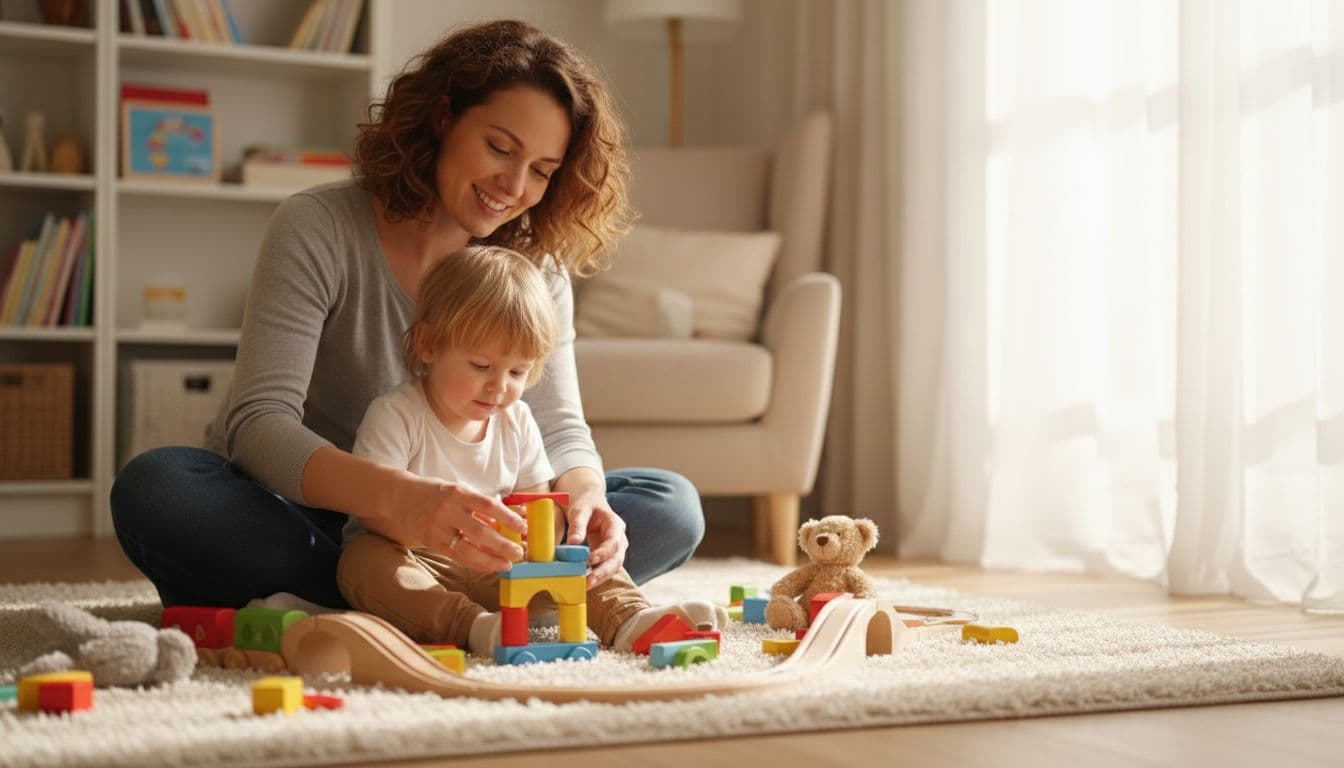
Home should also teach that respect goes both ways. Don’t force hugs. Don’t tell a child to smile when they’re hurt. Kindness grows best when kids feel safe saying no. A child who can say, “I need space,” is learning healthy boundaries, not selfishness.
You can build kindness into chores too. Ask your child to fill the pet bowl, set out napkins, or help a sibling find shoes. Helpful work teaches, “I matter here, and my actions affect other people.”
If you want more everyday examples, Parents’ ideas for teaching kindness are useful. They echo the same truth, children copy what they live. So speak about others with care, and speak about yourself with care too.
Teach empathy without raising a people-pleaser
Empathy isn’t a speech. It’s a skill. Children need help noticing faces, tones, and body language. After a story, pause and ask, “What do you think he felt when no one picked him?” During a sibling clash, try, “Look at her face. What do you notice?”
That kind of coaching works because empathy starts early and grows with support. Research on empathy in preschoolers shows these abilities appear young, not all at once, which means practice matters. Studies on mindfulness and prosocial behavior in children also suggest that kindness training can help children care for others in real settings.
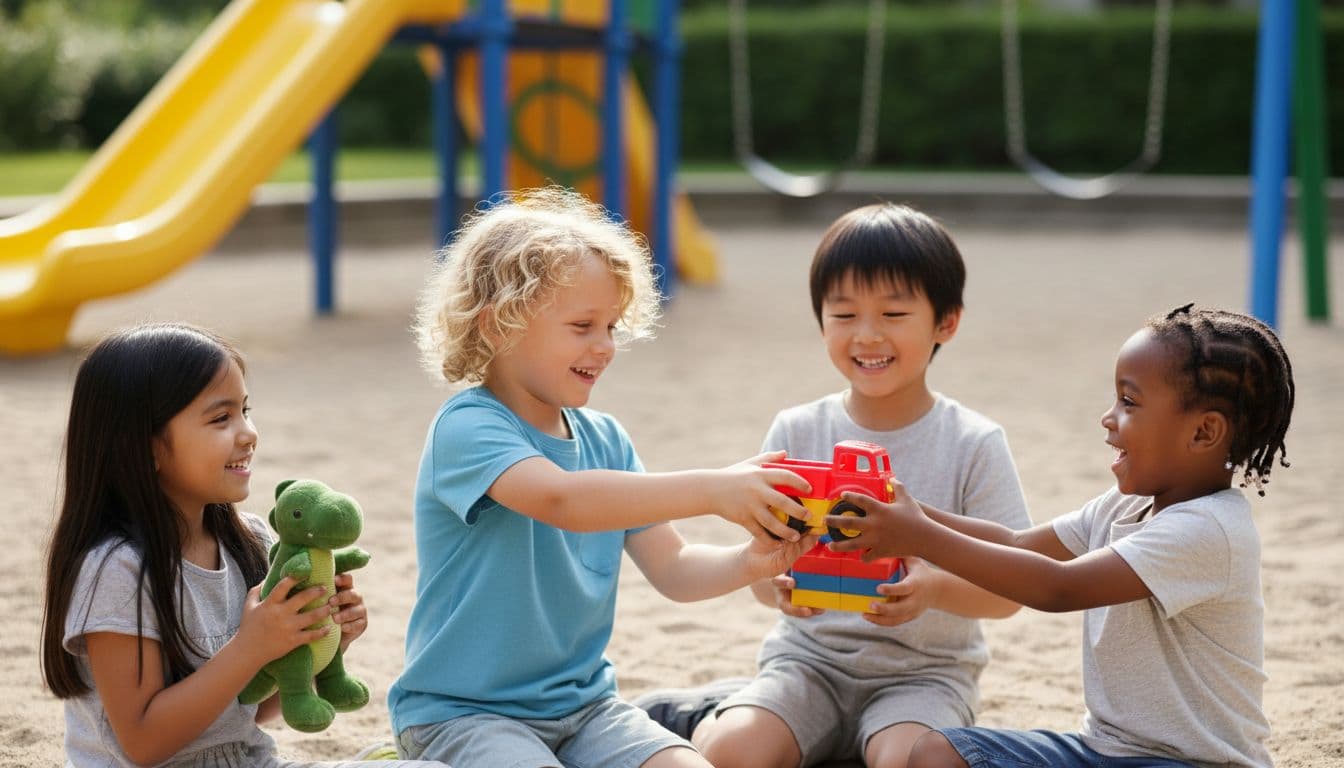
Kindness is not silence. A kind child can still say, “Stop. I don’t like that.”
That’s why assertiveness belongs in this lesson. If another child grabs a toy, don’t rush to “Be nice.” First help your child name the problem. Then offer a simple script: “I’m using that. You can have it when I’m done.” You also don’t need to force sharing every time. Waiting for a turn teaches respect too.
Role-play helps because real conflict moves fast. Practice at home with stuffed animals, or take turns acting out playground problems. Keep these prompts short:
- Name the feeling: “How do you think she felt?”
- Offer a response: “What could you do to help?”
- Protect yourself: “What can you say if someone is rude?”
Don’t shame children for missing the cue. Coach and try again. A child learns more from “Let’s read his face together” than from “You’re being mean.”
Build daily habits that protect kindness and confidence
Daily habits give kindness roots. A child can’t offer calm if they’re always stressed, rushed, or ashamed. So create short rituals that steady the body and point attention toward what is good, true, and fixable.
Start with a simple gratitude practice at dinner or bedtime. Each person shares one good thing, one hard thing, and one kind act they noticed. That balance matters. It teaches positivity without pretending the hard parts don’t exist.
A positive mindset doesn’t mean fake cheer. It means your child learns to say, “Today was rough, but tomorrow is another chance.” That’s optimism with both feet on the ground. When you model that tone, children stop seeing mistakes as proof that they’re bad.
Try this after a setback: “What happened? What did you feel? What can you do next?” Those three questions turn shame into problem-solving. They also support self love, because your child learns, “I can make a mistake and still be worthy of care.”
Keep service small and regular. Let kids draw a card for a grandparent, carry extra snacks to share, or help clean up a park. These acts train the eye to notice needs. Over time, kindness becomes a habit, not a performance.
Also watch what gets laughs at home. If teasing earns attention, kids copy it. If repair earns praise, they copy that too. Say, “You included him when he was alone,” instead of “You’re the nice one.” That keeps kindness active and strong.
An unkind world doesn’t cancel your influence. It makes your daily example matter even more. Children learn kindness through repetition, repair, and safe boundaries.
Pick one practice for this week, maybe a calm apology, a bedtime gratitude practice, or one assertive script. Small habits build the kind of optimism that lasts.
The child you raise can be both gentle and strong. That’s the kind of kindness the world needs.