Your brain listens to your emotional habits all day. When stress, criticism, and fear dominate, the brain gets better at spotting threats. When moments of positivity show up more often, different pathways start getting more practice.
That doesn’t mean happy thoughts erase pain. It means the positivity brain connection can shape attention, stress levels, and emotional balance over time. Once you see how it works, small daily habits start to matter more.
What positivity does inside the brain
Positive emotions don’t flip a magic switch. Still, they can change how the brain processes the world. A kind text, a laugh, or a moment of relief can activate reward-related areas that help you feel interest, motivation, and safety.
At the same time, the brain’s threat system doesn’t vanish. Your amygdala still watches for danger. However, when you feel calmer and more supported, the prefrontal cortex, the part tied to planning and self-control, can do its job better. That helps you pause, think clearly, and avoid knee-jerk reactions.
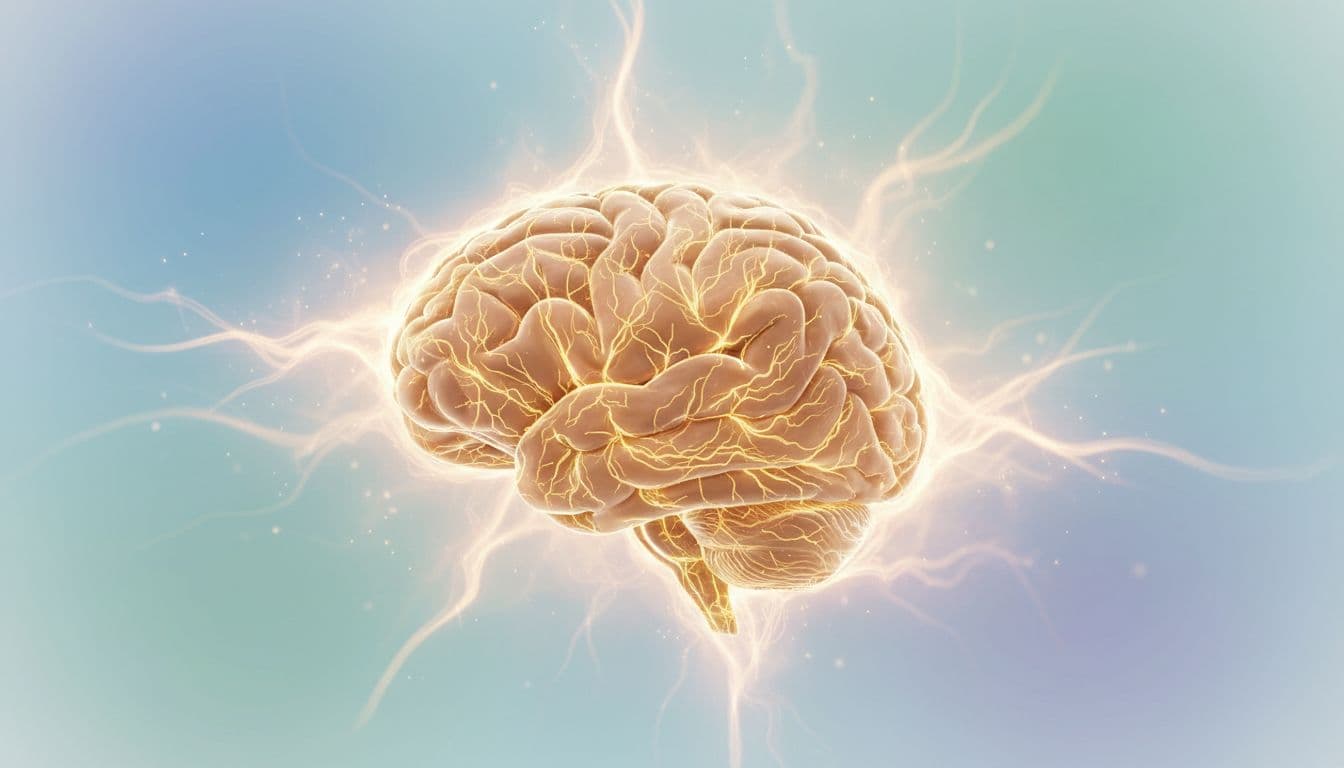
Scientists call this neuroplasticity, which means the brain can change with repeated experience. Think of it like a path through grass. The more often you walk it, the easier it becomes to follow. A positive mindset works in a similar way. Repeated habits of noticing good moments, support, and progress can make those patterns easier to access later.
Research doesn’t point to one single “positive center” in the brain. Instead, emotion involves networks. A meta-analysis of brain imaging studies shows that positive and negative feelings rely on broad, interacting systems rather than one isolated spot.
That matters because positivity isn’t about pretending life is perfect. It’s about helping the brain register more than danger alone. When the brain notices reward, connection, and meaning, it often becomes more flexible. As a result, problem-solving, memory, and emotional control can improve.
How gratitude, mindfulness, and connection train healthier patterns
One of the simplest tools is a gratitude practice. This doesn’t mean forcing yourself to be thankful for everything. It means training attention to notice what is still working, even on a hard day.
For example, writing down three specific things you appreciated can shift what your brain stores and recalls. Over time, that can reduce the habit of scanning only for what’s wrong. The brain gets a more balanced picture of reality.

Mindfulness helps in a different way. Instead of chasing every thought, you learn to watch thoughts come and go. That small gap matters. When you pause, breathe, and observe, the brain often shifts out of constant alarm. In turn, your body can settle, and your choices get less reactive.
Positivity works best as a practice, not a performance.
Social connection also changes brain function. A warm conversation, shared laughter, or a sense of belonging can lower the feeling of threat. You don’t need a huge social circle. Even one steady, safe relationship can help the nervous system settle.
There’s also early evidence that training attention toward positive emotion may affect reward systems in useful ways. A trial on reward processing found changes in neural responses after a treatment designed to amplify positivity in people with depression and anxiety. That’s promising, but it also shows something important: change comes from repeated practice, not one upbeat moment.
Optimism and self love can soften the stress response
Optimism isn’t blind cheerfulness. It’s the belief that tomorrow isn’t locked in place, and that your actions still matter. That belief changes behavior. People who expect some possibility are more likely to try again, reach out, or make a plan. Those choices then give the brain new feedback.
A hopeful brain doesn’t stop seeing problems. It simply avoids treating every setback like the end of the story. That lowers helplessness, which can reduce emotional overload. In everyday life, optimism might sound like, “This is hard, but not hopeless.”
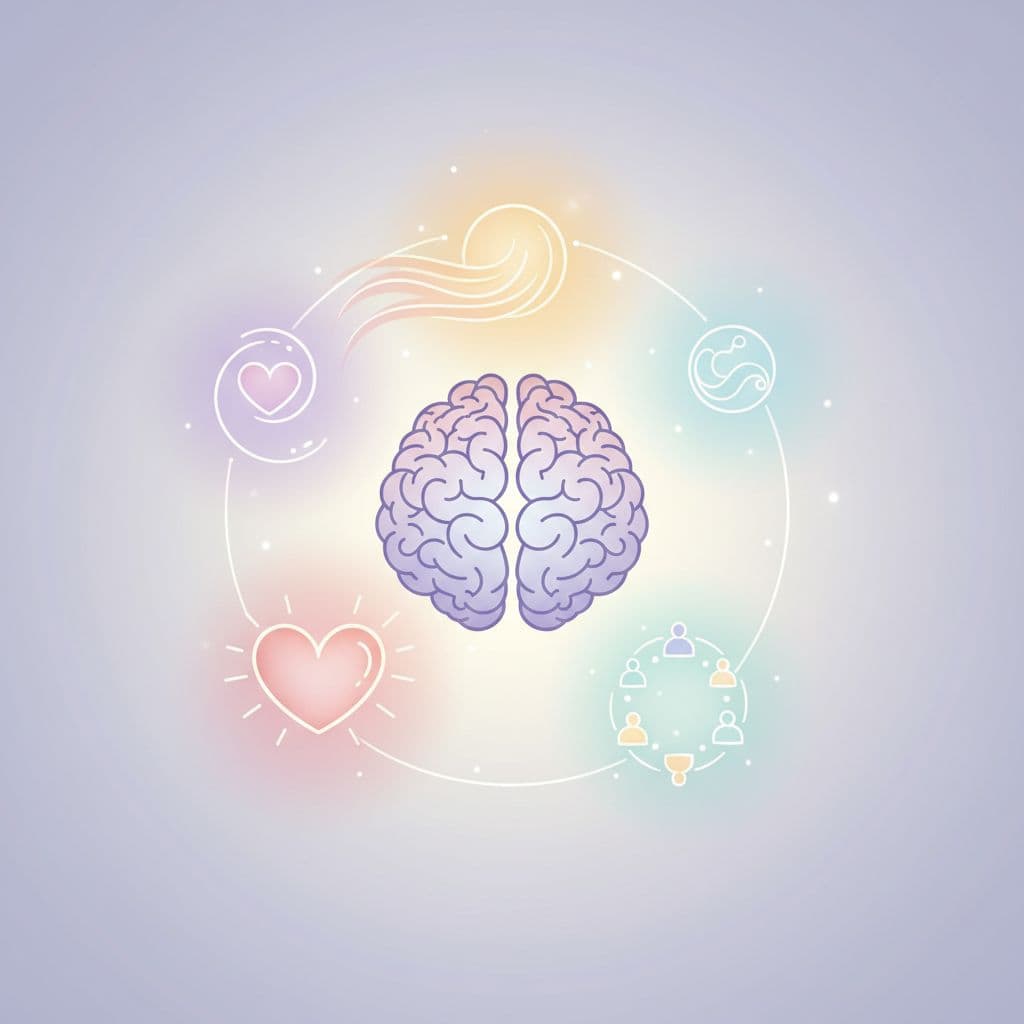
Self love plays a similar role. When your inner voice is harsh, the brain can treat that criticism like a threat. Heart rate rises, stress builds, and shame takes up space. By contrast, self love and self-compassion can calm that loop. You stop adding fear to pain.
That doesn’t mean lowering standards. It means speaking to yourself the way you’d speak to a friend who is trying. “I messed up” lands differently than “I am a mess.” One invites repair. The other deepens distress.
Recent work on positive bias in brain and behavior also suggests that shifts in emotional processing may be part of recovery in depression treatment. That’s useful context, but it’s not a reason to dismiss serious symptoms. Positivity can support mental health, yet it is not a substitute for therapy, medication, or medical care when those are needed.
If sadness, trauma, anxiety, or numbness won’t ease up, support matters. Positivity helps most when it sits beside rest, movement, honest emotion, and professional care when needed.
Your brain changes through repetition. A few seconds of gratitude, one mindful breath, or one kinder thought won’t remake your life overnight. Still, those moments add up, and positivity gives the brain more than one story to tell.
Start small today. Pick one habit, maybe a gratitude note, a short meditation, or a softer inner voice, and let your brain practice a better path.