In today’s fast-paced world, stress and tension often build up in our bodies without us noticing. You might feel disconnected from your physical self as daily pressures accumulate, creating tightness in your muscles and disrupting your sense of wellbeing.
Somatic healing exercises offer powerful tools to release this stored tension. They help you reconnect with your body and restore balance to your nervous system.
These gentle, mindful practices focus on the connection between your mind and body. You don’t need special equipment or training to benefit from somatic techniques—just a willingness to tune into your physical sensations and move with awareness.
By taking a few minutes each day for these exercises, you can unwind patterns of stress. This creates a greater sense of peace in both your body and mind.
1. Shoulder and Neck Massage to Release Tension
Your shoulders and neck often store stress from daily activities. This tension can lead to pain, headaches, and limited movement.
Take time to massage these areas to release built-up tension. Start by sitting comfortably in a chair with your feet flat on the floor.
Place your right hand on your left shoulder. Use your fingers to gently press and knead the muscles, moving from your neck toward your arm.
Pay attention to tight spots and apply gentle pressure. When you find a tense area, hold for 5-10 seconds before releasing.
Switch sides and repeat on your right shoulder with your left hand. Remember to breathe deeply as you work.
You can also use your fingertips to massage the back of your neck. Work from the base of your skull downward in small circular motions.
Try this simple massage for 3-5 minutes whenever you feel tension building.
2. Gentle Shaking to Let Go of Stress
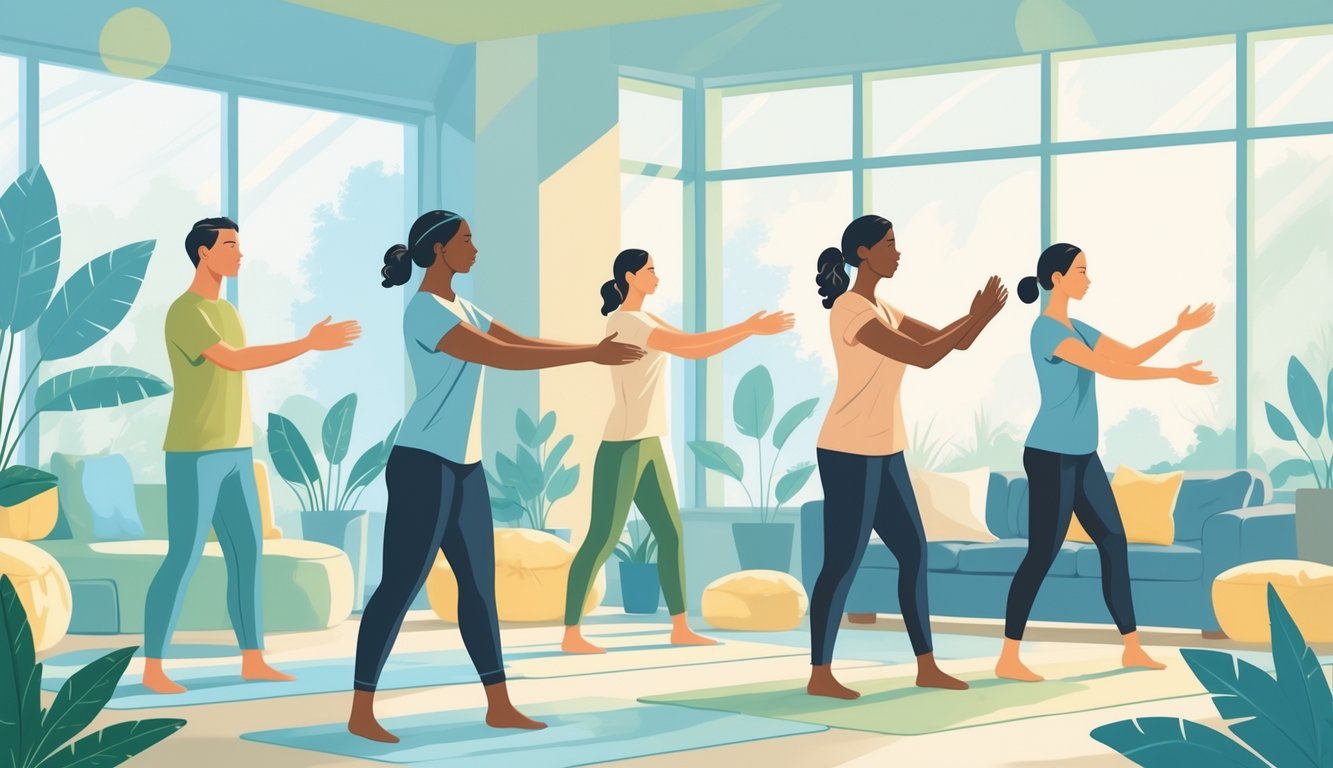
Somatic shaking is an easy way to release tension from your body. This technique helps you discharge excess energy and reset your nervous system after stressful events.
Your body knows how to release stress through movement. Animals shake after a frightening experience, and humans can benefit from this same response.
To try somatic shaking, stand with your feet hip-width apart. Gently bounce your knees and let the movement travel up through your body.
Allow your arms, shoulders, and head to shake loosely. Begin with small movements and gradually increase as you feel comfortable.
There’s no wrong way to shake—follow what feels good to your body. You can shake for 1-2 minutes to feel benefits.
Notice how your body responds and where you hold tension. Many people feel more relaxed after shaking.
Try this exercise whenever you feel stressed or tense.
3. Body Tapping for Nervous System Reset
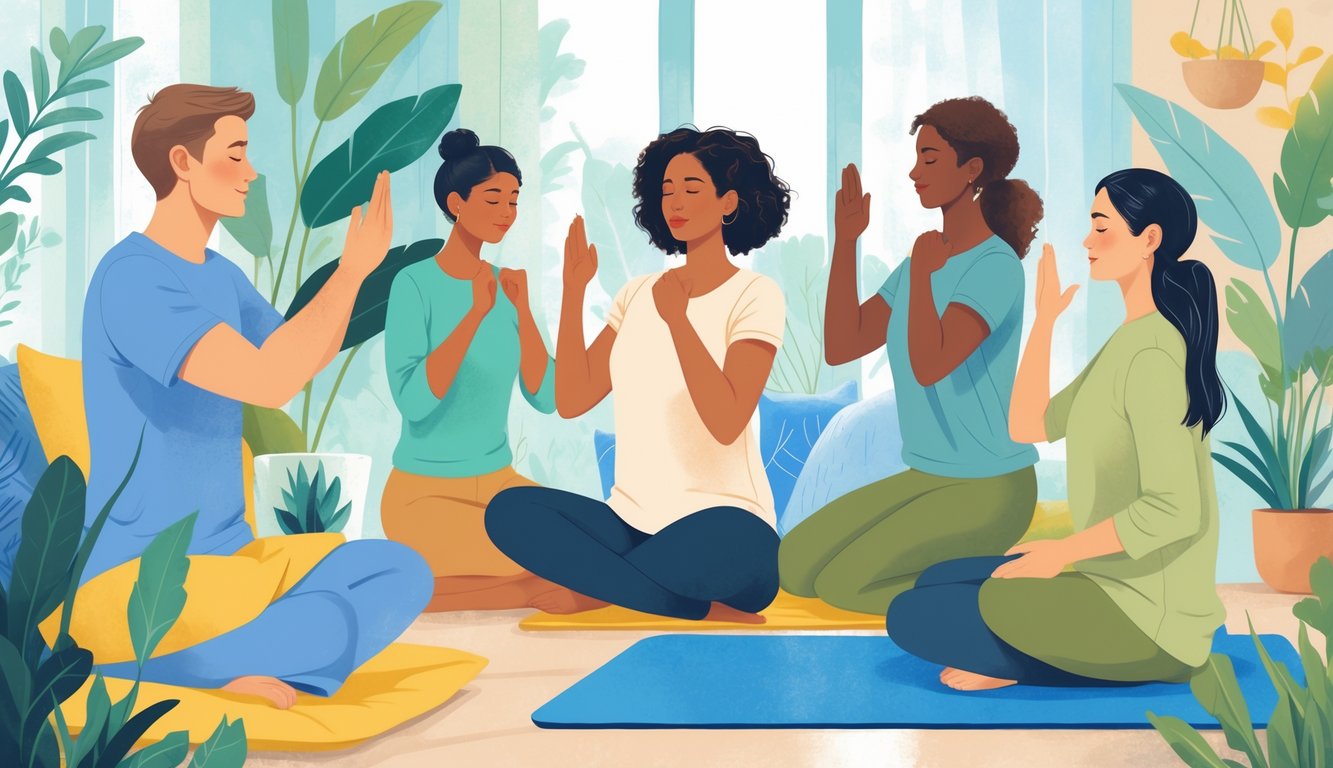
Body tapping is a simple somatic exercise that helps reset your nervous system. This technique involves gently tapping different parts of your body to create awareness and release tension.
You can start body tapping anywhere that feels comfortable. Many people begin with their arms, shoulders, or chest.
Use your fingertips to create a gentle drumming motion on your skin. The rhythmic tapping sends signals to your brain that help calm your nervous system.
Try tapping for 1-2 minutes while taking deep breaths. Notice how the sensation brings your attention to your body.
You can increase or decrease the pressure based on what feels good. Some areas might be more sensitive than others, so adjust accordingly.
Body tapping combines physical touch with mindful awareness. Use this technique anytime you need quick stress relief.
4. Deep Breathing with Body Awareness
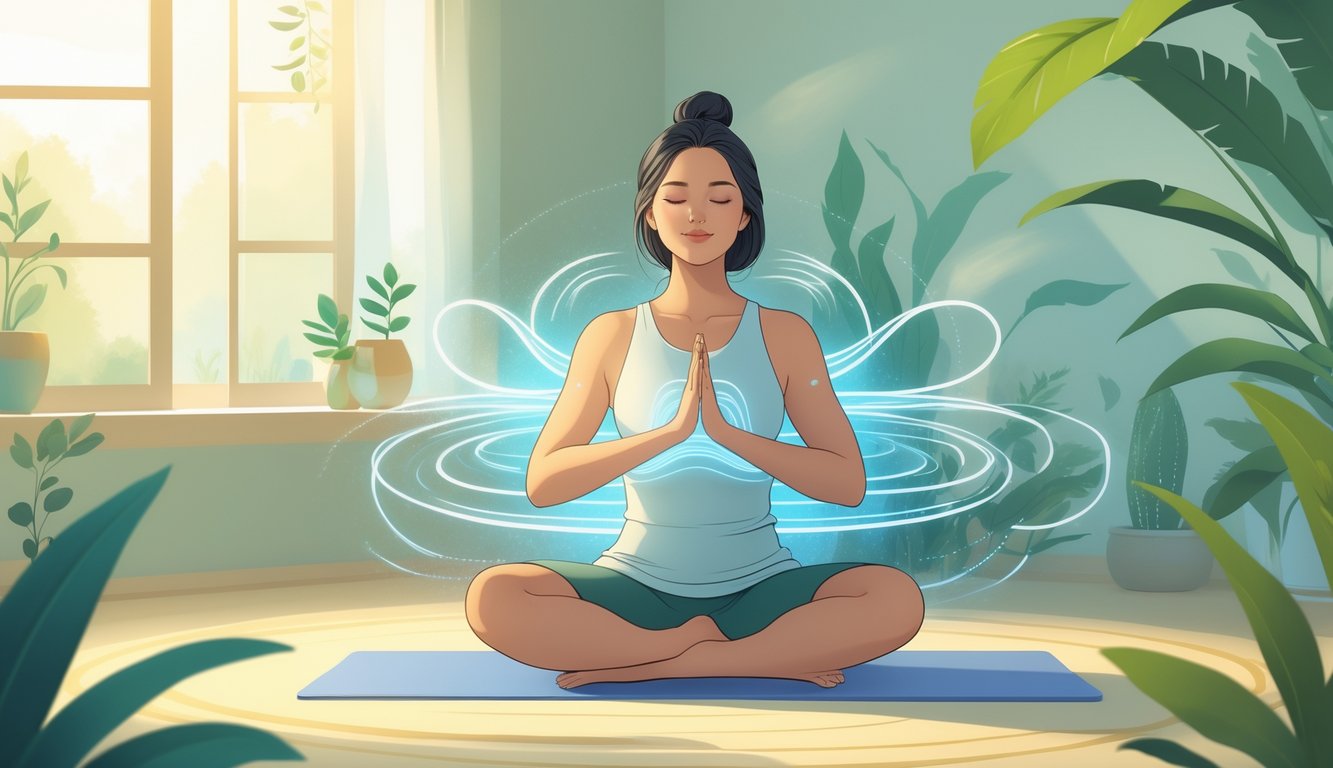
Deep breathing with body awareness helps you calm your nervous system when stress takes over. This practice connects your mind and body through intentional breath and focused sensation.
Sit comfortably with your feet flat on the floor. Place one hand on your chest and the other on your belly to feel your breath moving.
Breathe in slowly through your nose for a count of four. Notice how your belly expands first, then your chest.
Hold for a moment, then exhale through your mouth for a count of six. Pay attention to how your muscles relax as you release the breath.
As you continue breathing, scan your body for areas of tension. When you find tight spots, direct your breath there and imagine the tension melting away with each exhale.
Practice this for 5 minutes daily to build a stronger connection with your body.
5. Grounding through Sensory Orientation
Sensory orientation connects you with your body through your five senses. This practice brings you back to the present moment when stress or anxiety takes over.
Find a comfortable position sitting or standing. Take a few deep breaths and gently scan your surroundings.
Notice five things you can see right now. Look for colors, shapes, and objects that catch your eye.
Touch four different textures around you. Feel the smoothness of a table, the fabric of your clothes, or the coolness of a metal object.
Listen for three distinct sounds in your environment. This might be birds chirping, air conditioning humming, or people talking nearby.
Identify two different smells in your space. If smells aren’t obvious, bring something scented to your nose like a cup of tea or hand lotion.
Finally, notice one taste. You can take a sip of water or simply notice the taste already in your mouth.
This exercise brings your awareness into your body through sensory input. You’ll feel more centered and calm as you practice.
6. Progressive Muscle Relaxation
Progressive Muscle Relaxation helps your body release tension stored in your muscles. This exercise works by tensing and then relaxing each muscle group one at a time.
Your body often holds stress without you noticing it. When you practice this exercise, you become more aware of tension and learn how to release it.
Find a quiet place where you won’t be disturbed. Sit or lie down in a comfortable position and take a few deep breaths.
Begin with your feet. Curl your toes tightly for 5-10 seconds, notice the tension, and then release.
Work your way up through your body—calves, thighs, buttocks, abdomen, chest, hands, arms, shoulders, neck, and face. Tense each area for a few seconds, then let go completely.
Try practicing for 10-15 minutes daily. You can follow a guided script until you learn the sequence by heart.
7. Slow, Mindful Stretching
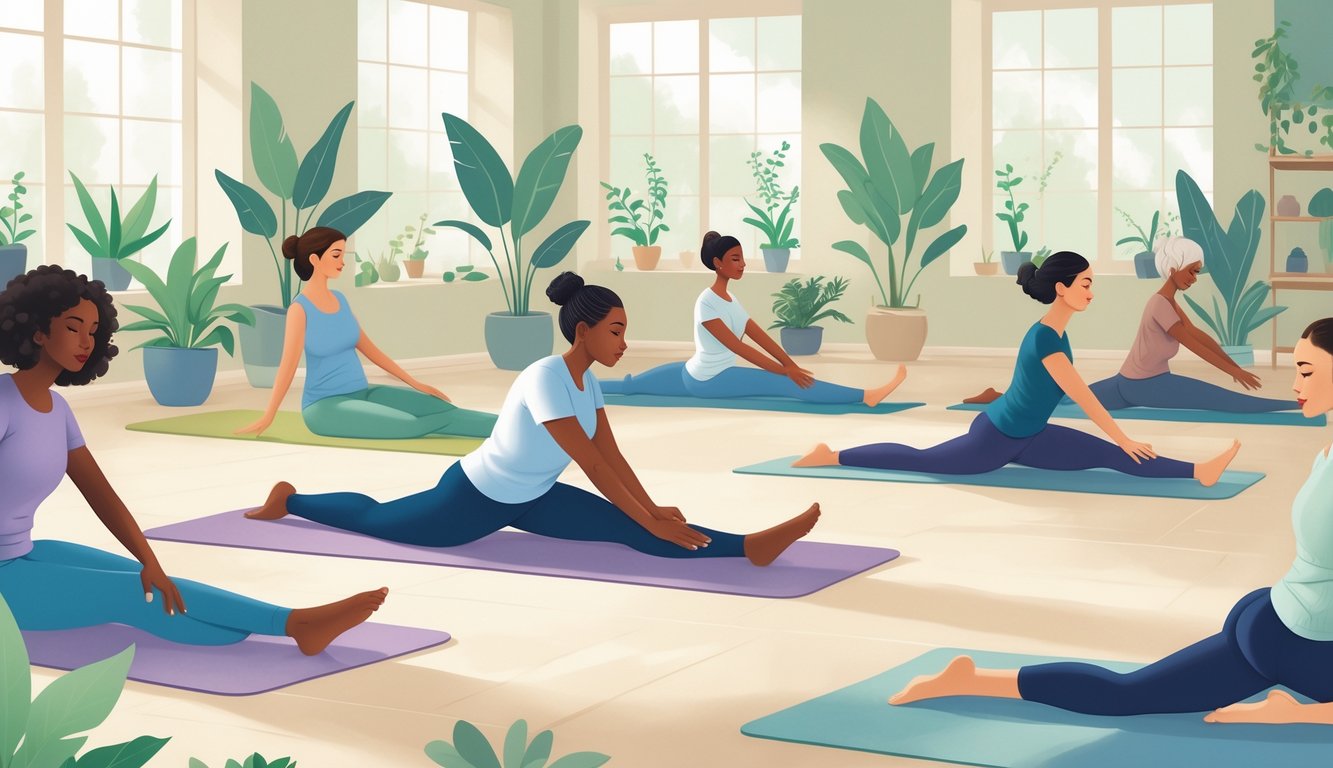
Slow, mindful stretching helps release tension stored in your muscles. This practice combines gentle movement with focused attention.
Start by choosing a comfortable position, either sitting or standing. Focus on your breath as you slowly move your body into a gentle stretch.
Notice how your muscles feel as you extend them. Hold each stretch for 20-30 seconds while breathing deeply.
Pay attention to the sensations in your body. You might notice tightness, warmth, or relief as you maintain the position.
Somatic stretching exercises target stress and anxiety stored in your body. These movements can help you reconnect with parts of yourself that feel disconnected or numb.
Try stretching your neck, shoulders, and back—areas where many people hold stress. Move slowly and never force a stretch to the point of pain.
This practice improves flexibility and strengthens the connection between your mind and body.
8. Guided Body Scan Meditation
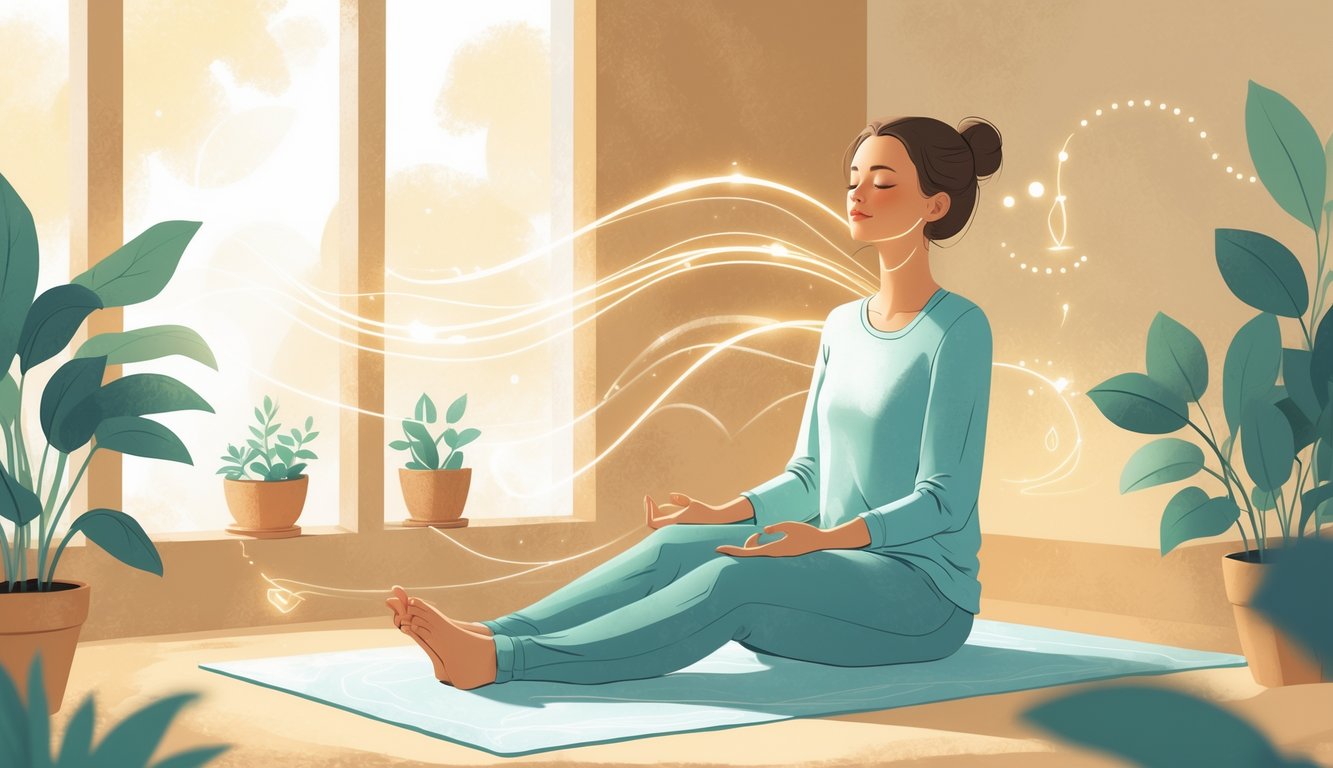
A body scan meditation helps you reconnect with your body and relax deeply. In this practice, you pay attention to each part of your body in sequence and notice sensations without judgment.
Start by finding a comfortable position, either sitting or lying down. Close your eyes and take a few deep breaths.
Begin at your toes and slowly move your awareness up through your body. Notice any tension, warmth, tingling, or other sensations in each area.
When you find tension, breathe into that spot and imagine the tension melting away as you exhale. This helps release stress trapped in your body.
Body scans help you regulate your nervous system when you feel overwhelmed. Just 10-15 minutes can shift you from stress to calm.
You might find it easier to use guided body scan recordings when starting out. These recordings guide you through each step.
With regular practice, you build body awareness and catch tension early. You’ll start noticing patterns in how your body holds stress.
9. Self-Soothing with Touch
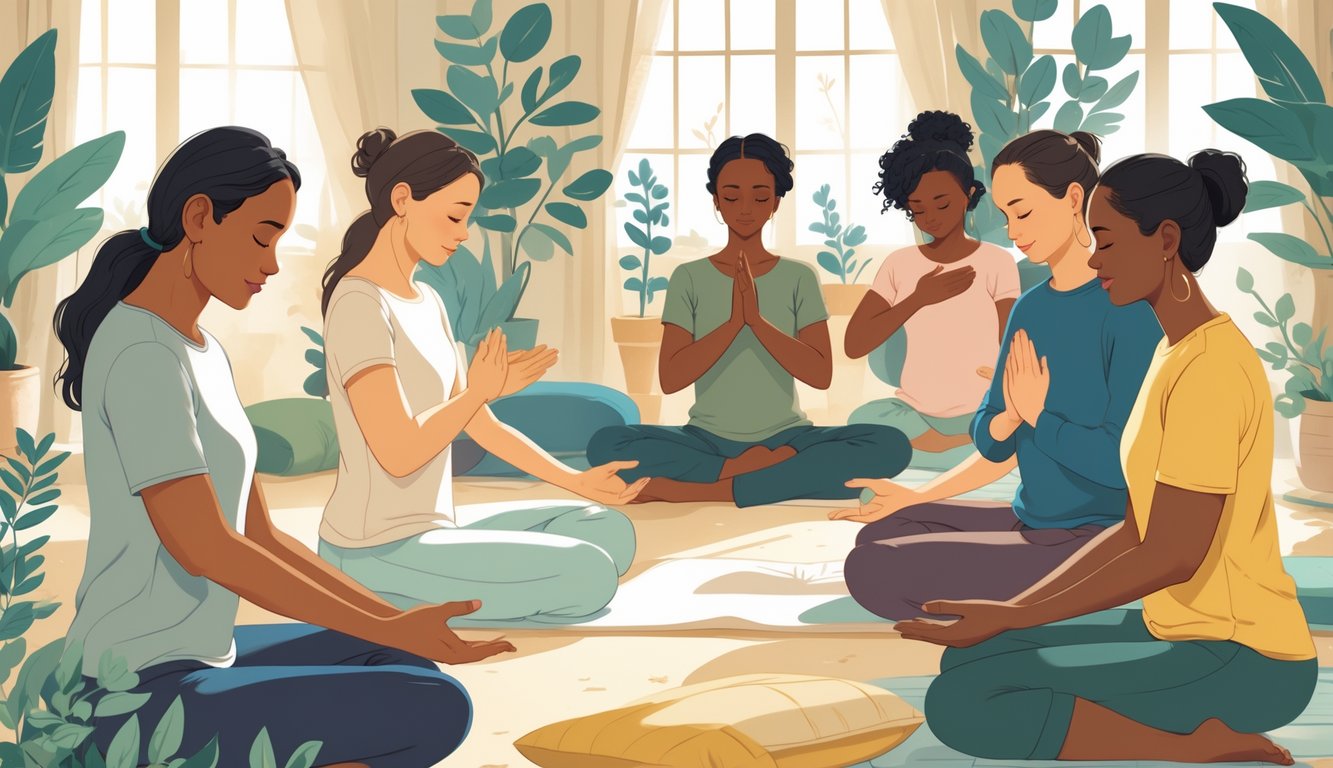
Touch has powerful healing effects on your nervous system. When you feel stressed or anxious, gentle self-touch can help you feel safe and calm.
This practice helps you reconnect with your body in a kind way. Place one hand on your heart and the other on your belly.
Feel the warmth of your hands and the rhythm of your breathing. This releases tension and signals safety to your body.
Try gently stroking your arms from shoulders to hands with light pressure. Notice the sensations this creates.
You can use lotion or oil to make this more soothing. Face massage works well too.
Use your fingertips to make small circles on your temples, jaw, and forehead. These areas often hold stress.
Somatic healing exercises like self-touch help you process emotions stored in your body. When you feel overwhelmed, pause and offer yourself this caring touch.
Even a few minutes daily will help you develop a stronger connection with your body and greater emotional resilience.
10. Hip and Lower Back Massage

Your hips and lower back often store tension from daily stress and past experiences. Massaging these areas can help release tightness and strain.
Start by lying on your back on a comfortable surface. Bend your knees and place your feet flat on the floor.
Place your hands on your hip bones. Use your fingertips to apply gentle pressure in small circular motions.
For deeper relief, use a tennis ball or massage ball. Place the ball under your lower back or hip area while lying down.
Gently roll over the ball to target tight spots. This can release tension and stored trauma from these areas.
For your lower back, use your knuckles to knead gently along both sides of your spine. Do not press directly on the spine.
Focus on the muscles that run alongside your spine. Take deep breaths as you massage to enhance relaxation.
Your body will tell you where it needs attention. Trust those signals.