Your body holds memories, emotions, and tension that words alone cannot reach. When you move freely through somatic healing dance, you create space for deep release and transformation beyond traditional talk therapy.
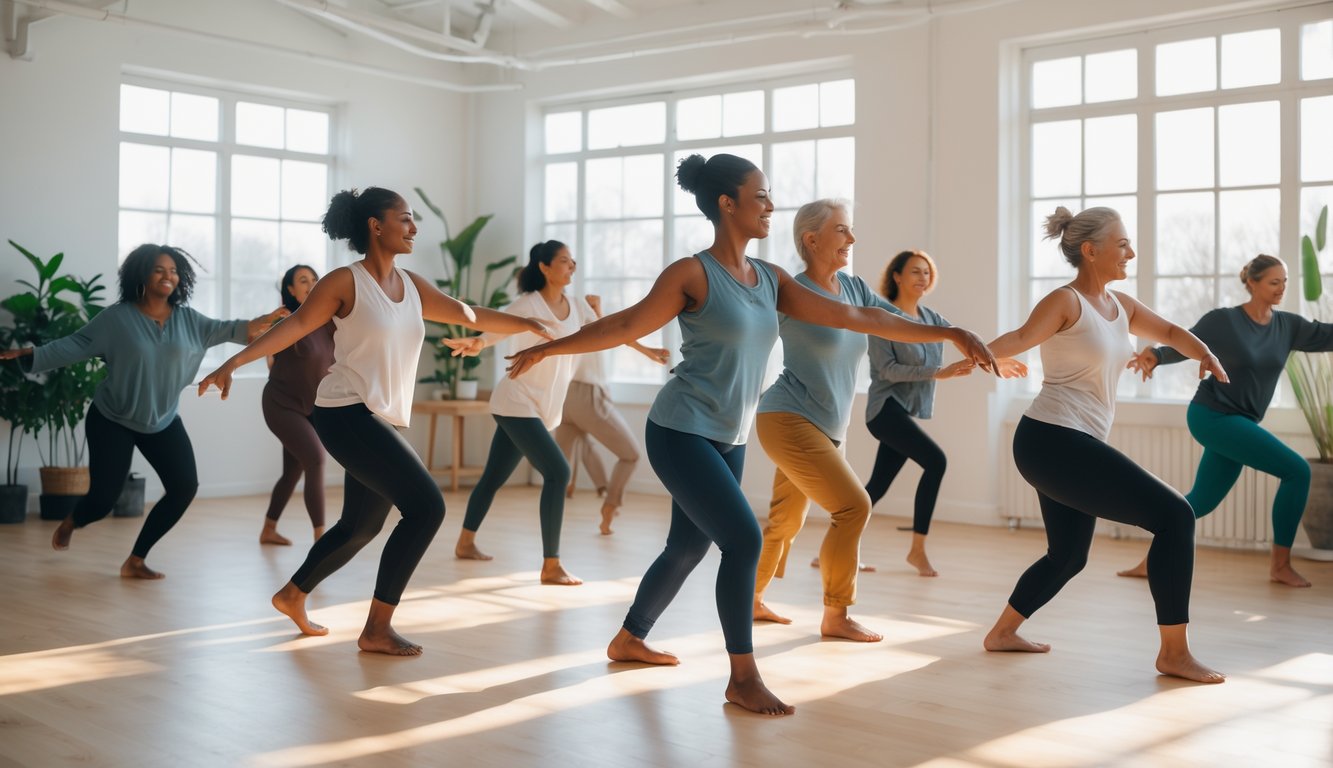
Somatic healing dance combines free-form movement with body awareness to help you process trauma, reduce stress, and reconnect with your natural joy. This practice invites you to listen to your body’s wisdom and express what feels stuck or unexpressed.
You don’t need perfect technique or choreographed steps. Whether you’re dealing with anxiety, past trauma, or want to feel more alive in your body, somatic dance offers a powerful path to healing.
This approach recognizes that your body and mind are deeply connected. Moving with intention can unlock emotional blocks stored physically for years.
What Is Somatic Healing Dance?
Somatic healing dance combines body awareness with free movement. You use gentle movement to heal both physical and emotional wounds by focusing on internal sensations.
Principles of Somatic Movement
Mind-body integration forms the foundation of somatic healing dance. You learn to listen to your body’s signals and respond with authentic movement.
This creates a conversation between your thoughts and physical sensations. The practice emphasizes internal awareness over external appearance.
You focus on how movements feel inside your body rather than how they look. This shift helps you develop a deeper connection with yourself.
Slow, mindful movement allows you to notice subtle changes in your body. You move at your own pace, exploring ranges of motion that feel comfortable and safe.
This approach helps your nervous system relax and reset. Non-judgmental exploration encourages you to move without criticism.
You accept whatever movements arise naturally, whether they’re large or small, smooth or jerky. This acceptance creates space for healing.
The somatic approach emphasizes that your body holds wisdom about what it needs to heal. You trust these internal signals to guide your movement choices.
Origins and Influences
Somatic healing dance draws from several established movement practices. Authentic Movement, developed by Mary Starks Whitehouse, teaches you to move from internal impulses.
The Feldenkrais Method contributes gentle, exploratory movement to improve body awareness. This approach helps you discover new movement patterns and release old habits.
Body-Mind Centering adds understanding of how different body systems affect movement. You learn to work with your breath, bones, and organs to create fuller expression.
Dance/Movement Therapy (DMT) provides the therapeutic framework for using movement to process emotions and trauma. This dance movement therapy approach recognizes that your body stores emotional experiences.
These influences combine to create a practice that honors both your physical and emotional needs.
Somatic Healing vs. Traditional Dance
Traditional dance focuses on learning specific steps, techniques, and choreography. You practice set movements to achieve predetermined forms and expressions.
Somatic dance invites you to move freely without rules or expectations. You explore whatever movements emerge naturally from your body’s impulses and needs.
Performance vs. Process: Traditional dance often prepares you for performance or competition. Somatic healing dance focuses on your internal experience and healing process.
Technique vs. Sensation: Traditional dance emphasizes mastering external techniques. Somatic healing dance prioritizes how movements feel inside your body.
Judgment vs. Acceptance: Traditional dance includes evaluation and correction. Somatic healing dance accepts all movement as valid and meaningful.
This movement therapy helps you reconnect with your body’s natural wisdom. You learn to trust your instincts and move in ways that support your healing.
Core Benefits: Why Move Freely?

Moving freely through somatic healing dance changes your relationship with stress, emotions, and your body. This practice gives you powerful tools for stress reduction and unlocks pathways for emotional expression.
It also deepens your connection to body awareness and presence.
Stress Relief and Relaxation
Your nervous system holds tension from daily pressures. When you move freely, you activate your body’s natural relaxation response.
Somatic dance helps calm your nervous system by shifting your focus from mental chatter to physical sensations. You breathe deeper and your muscles release.
The gentle movements signal safety to your brain. Your heart rate slows and stress hormones decrease.
Key stress relief benefits:
- Reduces cortisol levels
- Activates the parasympathetic nervous system
- Releases physical tension patterns
- Improves sleep quality
Simple swaying or gentle stretching works. Your body knows what it needs.
Regular practice builds resilience. You handle daily stress better.
Emotional Release and Expression
Your body stores emotions in muscles and tissues. Free movement provides a safe space to explore and express these feelings.
When you move without rules, suppressed emotions surface. Anger might show up as strong gestures, while sadness flows through softer movements.
This isn’t about performing. It’s about authentic self-expression.
How emotions release through movement:
- Shaking releases trapped energy
- Flowing movements process grief
- Strong gestures discharge anger
- Gentle swaying soothes anxiety
Dance allows you to access and release pent-up feelings. Each session helps clear emotional buildup.
You develop better emotional regulation. Instead of bottling up feelings, you process them through your body.
Body Awareness and Presence
Most people live disconnected from their bodies. Somatic healing dance rebuilds this vital connection.
You learn to listen to your body’s signals. Tight shoulders tell you about stress, and a clenched jaw reveals tension.
Mindfulness grows through movement. You notice how each gesture feels and track sensations as they change.
Benefits of increased body awareness:
- Better posture and alignment
- Improved coordination
- Faster injury recovery
- Enhanced intuition
Presence deepens with each session. You stop living in your head and inhabit your whole body.
This heightened awareness improves everyday movements. Walking feels easier and sitting becomes more comfortable.
You trust your body’s wisdom and respond to its needs before problems develop.
Healing Through Movement: Trauma, Anxiety, and Beyond
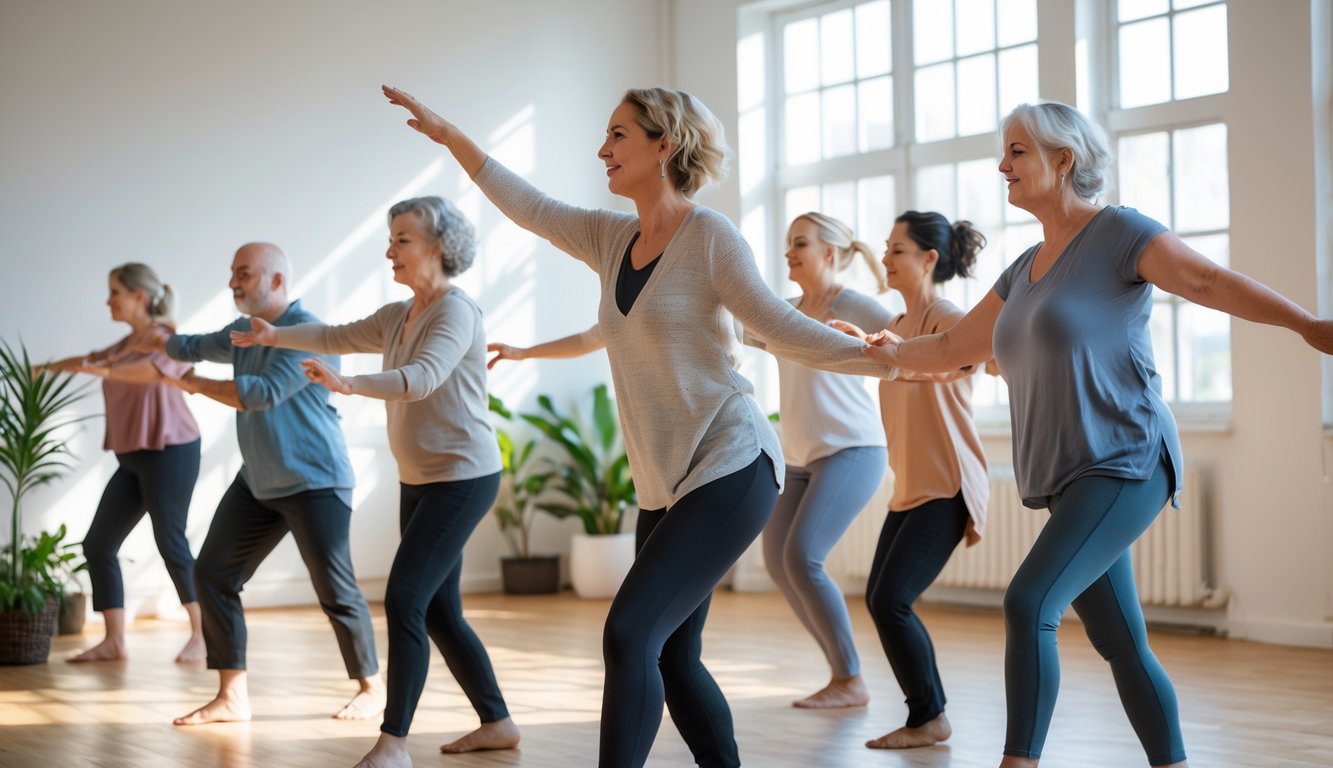
Your body holds memories that talk therapy alone cannot reach. Movement creates pathways to release stored tension and rebuild your relationship with emotional regulation through gentle, purposeful action.
Releasing Trauma From the Body
Trauma lives in your muscles, joints, and nervous system long after difficult experiences end. Somatic dance helps trauma recovery by releasing distressing memories often stored in the body.
Your nervous system remembers through physical sensations. When you move with intention, you teach your body new responses to old triggers.
Key movement approaches for trauma release:
- Tremoring: Natural shaking that releases built-up tension
- Breathwork: Coordinated breathing that calms your nervous system
- Gentle stretching: Slow movements that reconnect you with your body
- Grounding exercises: Movements that help you feel safe and present
You don’t need perfect technique or training. Somatic dance is not about perfectly choreographed dance steps but rather about exploring personal self-expression through movement.
Start with five minutes of gentle swaying or arm circles. Notice what feels good without judgment.
Managing Anxiety and Chronic Pain
Anxiety creates physical tension that chronic pain amplifies. Movement breaks this cycle by giving your nervous system concrete actions to focus on instead of worry spirals.
When anxiety hits, your breathing becomes shallow and your muscles tighten. Moving the body in a purposeful and guided way activates the release of endorphins, the body’s natural stress-relieving hormones.
Simple movements for anxiety relief:
- Shoulder rolls: Release neck and shoulder tension
- Hip circles: Loosen tight lower back muscles
- Arm swings: Create rhythmic, calming motion
- Foot tapping: Ground yourself in the present moment
Chronic pain often makes you avoid movement, but gentle motion reduces stiffness and improves circulation. You work with your body’s natural healing capacity.
Start where you are. If you can only move your fingers or toes, that counts.
Movement becomes a medium for communication, allowing individuals to release pent-up feelings and gain a sense of control over their bodies and emotions. Your body responds to consistency more than intensity.
Five minutes daily creates more lasting change than sporadic longer sessions.
Popular Somatic Movement Practices

Several established movement approaches help you connect with your body through gentle, mindful motion. These practices focus on internal sensations and natural movement patterns to promote healing and self-awareness.
Authentic Movement
Authentic Movement invites you to move from your inner impulses without planning or choreography. You close your eyes and listen to what your body wants to do in each moment.
This practice started in the 1950s with Mary Starks Whitehouse. She combined dance with psychology to help people express their unconscious feelings through movement.
Key elements include:
- Moving with eyes closed or soft gaze
- Following internal sensations and impulses
- No judgment about how you look
- A witness or therapist may observe your movement
You begin by standing still and noticing what you feel inside your body. Maybe your shoulders want to roll or your hips want to sway.
You follow these urges without forcing anything. The practice helps you access emotions stored in your body.
Dance/Movement Therapy (DMT)
Dance/Movement Therapy uses movement and dance to support your emotional and mental health. A trained therapist guides you through movement experiences that help process feelings and trauma.
DMT works because your body holds memories and emotions. When you move in new ways, you can release stuck patterns and discover healthier ways to express yourself.
DMT sessions might include:
- Mirroring movements with your therapist
- Moving to express specific emotions
- Creating movement stories
- Group movement activities
Your therapist watches how you move and helps you understand what your body is telling you. They might notice if you hold tension in your shoulders or avoid certain movements.
Dance Movement Therapy (DMT) is a branch of the somatic psychotherapeutic approach that enables people to express their inner feelings through dance. You don’t need dance experience to benefit from DMT.
The Feldenkrais Method
The Feldenkrais Method teaches you to move more efficiently and reduce pain through gentle, slow movements. You learn to notice how you move and find easier ways to do everyday activities.
Moshe Feldenkrais created this method after injuring his knee. He found that changing movement patterns could reduce pain and improve function.
The method includes two approaches:
- Awareness Through Movement: Group classes with verbal instructions
- Functional Integration: One-on-one sessions with gentle touch
In classes, you lie on the floor and follow slow, small movements. You might lift your head slightly or roll from side to side.
The movements help your nervous system learn new patterns. The method helps with back pain, neck tension, and movement restrictions.
You become more aware of how you sit, walk, and move throughout your day.
Body-Mind Centering
Body-Mind Centering explores how different body systems affect your movement and emotions. You learn to sense your organs, bones, and fluids to understand how they influence how you feel and move.
Bonnie Bainbridge Cohen developed this approach by studying anatomy, movement, and child development. She found that each body system has its own quality of movement.
You explore different systems:
- Skeletal system: Creates structure and support
- Organ system: Provides nourishment and grounding
- Fluid system: Allows flow and adaptation
- Nervous system: Coordinates and integrates
You might place your hands on your liver and notice how it feels to move from that awareness. Or you could imagine your bones supporting you as you walk.
This practice helps you understand why certain movements feel natural while others feel forced.
You develop a deeper relationship with your body’s intelligence and healing capacity.
How to Get Started With Somatic Healing Dance
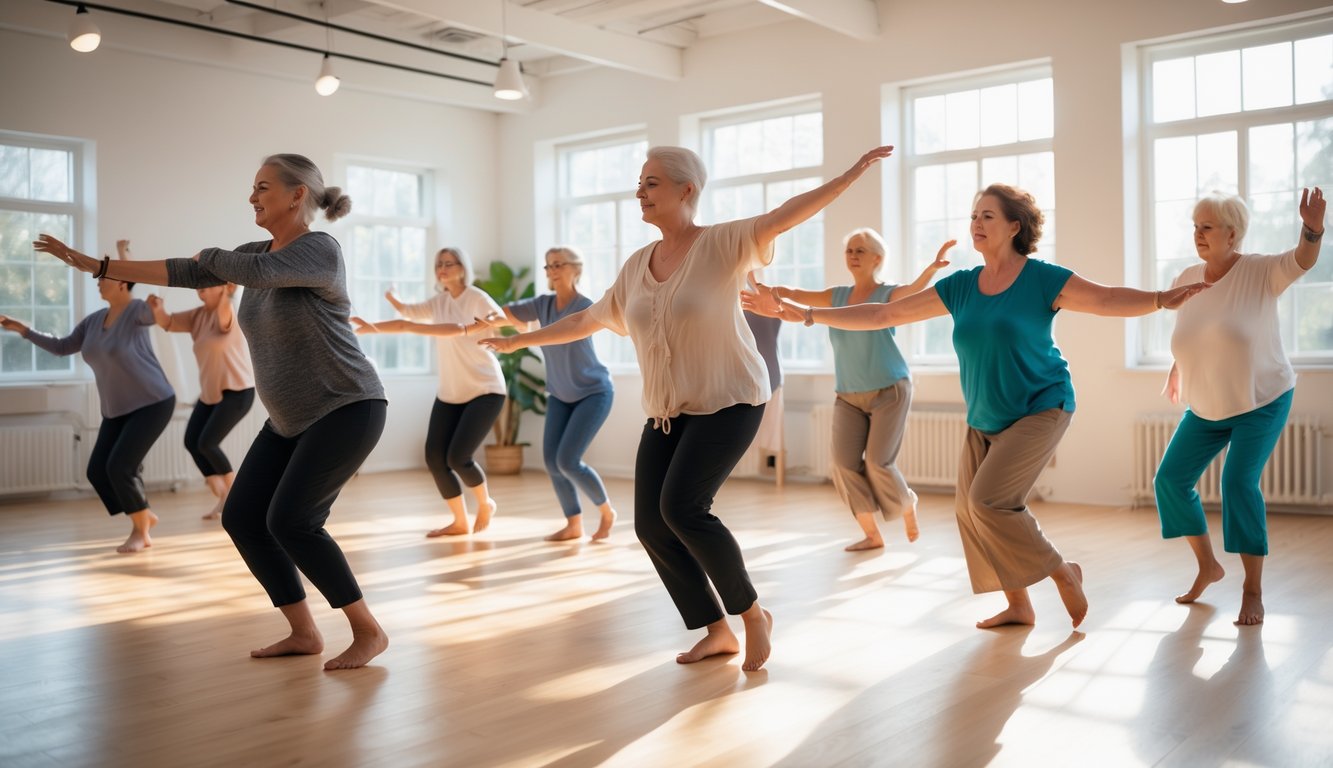
Starting your somatic healing dance journey requires three key elements: a comfortable environment where you feel secure, clear intentions that guide your practice, and choosing between structured guidance or intuitive self-exploration.
These foundations help you connect with your body’s natural wisdom and begin healing through movement.
Creating a Safe Space
Your environment shapes your entire somatic healing dance experience. You need a space where you feel completely comfortable moving your body without judgment or interruption.
Physical Space Requirements:
- Clear floor area (at least 6×6 feet)
- Soft surface like carpet or yoga mat
- Room temperature between 68-72°F
- Minimal distractions (phones off, doors closed)
Choose a private room where you won’t be interrupted. Your living room, bedroom, or even a quiet outdoor space works perfectly.
The key is feeling free to move without worrying about others watching.
Creating Emotional Safety:
Remove mirrors if they make you self-conscious. Dim harsh lighting and use soft lamps or candles instead.
Play gentle music that supports your mood without overwhelming your senses. Stock your space with props that support gentle movement.
Keep pillows, blankets, or bolsters nearby for comfort. Water should be within reach to stay hydrated during longer sessions.
Your space becomes a sanctuary for healing. Somatic dance helps you tune into your body’s sensations and move in ways that feel good.
This requires feeling completely safe and supported in your environment.
Setting Intentions for Your Practice
Intentions give your somatic healing dance direction and purpose. Unlike rigid goals, intentions are gentle guideposts that help you stay connected to your body’s needs.
Types of Healing Intentions:
- Physical: “I want to release tension in my shoulders”
- Emotional: “I’m ready to express feelings I’ve been holding”
- Mental: “I need to quiet my busy mind”
- Spiritual: “I want to feel more connected to myself”
Start each session by taking three deep breaths. Place your hands on your heart and ask yourself what you need right now.
Your body often knows before your mind does. Write your intention on paper or speak it aloud.
This simple act helps you stay focused when your mind starts to wander. Keep intentions simple and specific rather than vague or complicated.
Sample Intention Setting Practice:
- Sit quietly for 2 minutes
- Scan your body from head to toe
- Notice areas of tension or emotion
- Choose one area to focus on
- Set a gentle intention for that area
Your intentions can change during your practice. Movement exercises help you develop greater self-awareness, so stay flexible and let your body guide you toward what feels right.
Guided vs. Self-Directed Sessions
You have two main approaches to somatic healing dance: following structured guidance or moving intuitively on your own. Both offer unique benefits for healing and growth.
Guided Sessions Benefits:
- Professional instruction ensures proper technique
- Structured progression builds skills gradually
- Community support when done in groups
- Safety net for trauma-sensitive individuals
Self-Directed Sessions Benefits:
- Complete freedom to move as your body wants
- No pressure to keep up with others
- Deeper connection to your personal rhythms
- Ability to stop or change direction anytime
When to Choose Guided Sessions:
Start with guided sessions if you’re new to somatic exercise or dealing with trauma. Professional somatic dance training provides trauma-informed techniques and creates safe spaces for healing.
Online videos, apps, or local classes offer structured learning. Look for instructors trained in somatic movement who understand the connection between body and emotions.
When to Choose Self-Directed Sessions:
Self-directed practice works well once you understand basic principles. Your body becomes your teacher as you learn to trust its signals and responses.
Combine both approaches for best results. Use guided sessions to learn new techniques, then practice independently.
This blend of structure and freedom supports your healing journey while building confidence in your own body wisdom.
Integrating Somatic Dance Into Daily Life
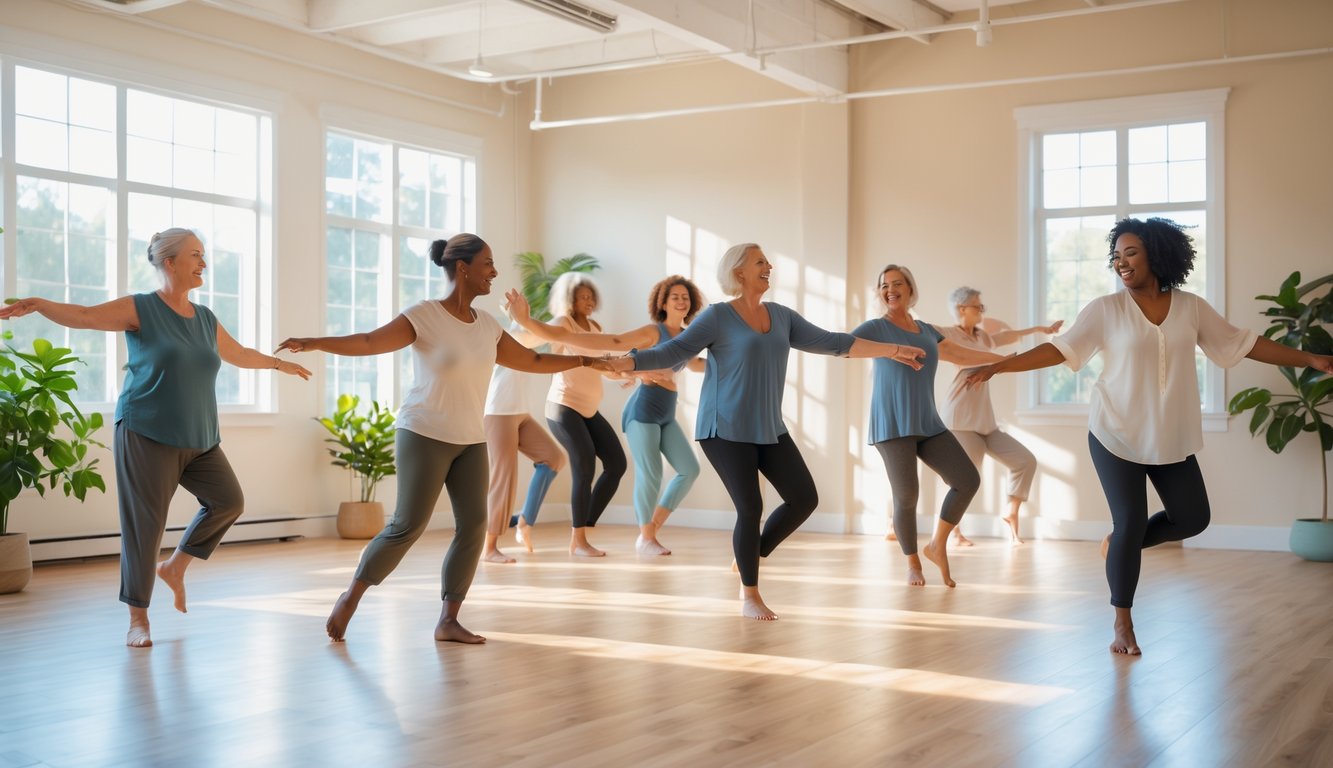
You can weave somatic dance into your everyday routine through simple, consistent practices that build body awareness and strengthen your connection to your authentic self.
Regular movement breaks and mindful attention to how you move transform ordinary activities into opportunities for healing and growth.
Building a Consistent Practice
Start with just 5-10 minutes each morning. Set a timer and move however feels good in your body.
You don’t need special music or space. Your living room works perfectly.
Simple Daily Routine:
- Morning: 3-5 minutes of gentle swaying or stretching
- Midday: 2-3 minutes of shoulder rolls and neck releases
- Evening: 5-10 minutes of free-form movement to release tension
Create movement cues that remind you to practice. Put sticky notes on your mirror or set phone reminders.
The somatic approach works best when you practice regularly, not intensely. Track your practice with a simple chart.
Mark an “X” for each day you move. This builds strength in your commitment and helps you notice patterns in your energy and mood.
Your authentic self emerges through consistent, gentle attention to your body’s needs. Some days you’ll want to dance vigorously.
Other days, slow breathing and subtle movements serve you better.
Bringing Somatic Awareness to Everyday Movement
Transform routine activities into mindfulness practices. When you walk, notice how your feet touch the ground.
Feel your spine lengthen as you reach for items on high shelves.
Mindful Movement Opportunities:
- Washing dishes: Sway your hips gently.
- Waiting in line: Shift weight between your feet.
- Sitting at your desk: Roll your shoulders back.
- Cooking: Move your body while stirring or chopping.
Pay attention to tension patterns throughout your day. Your body often holds stress in your jaw, shoulders, or lower back.
Notice these areas and breathe into them.
Use somatic release techniques during daily activities. Stretch your arms overhead while your coffee brews.
Twist your spine gently while watching TV.
Check in with yourself hourly to grow body awareness. Ask, “How does my body feel right now?”
This simple question helps you connect to your physical sensations and emotions.
Dance while folding laundry or sway while brushing your teeth. These small practices can support healing over time.