Feeling stressed, anxious, or disconnected from your body? Somatic healing techniques offer a way to reconnect with yourself and release tension stored in your body.
These practices focus on the mind-body connection and help you process emotions and trauma through gentle, intentional movement and awareness. Practicing somatic healing techniques regularly helps calm your nervous system and reduce stress.
You can also develop a healthier relationship with your body through these methods.
Our bodies often hold onto stress and difficult experiences long after they happen. Somatic healing gives you practical ways to address this physical aspect of emotional wellbeing.
You can try these techniques at home in just a few minutes each day. They are accessible even with a busy schedule.
1. Body Scan Meditation
Body scan meditation helps you connect with your body and release tension. You focus your attention on different parts of your body, one area at a time.
Start by bringing awareness to your breath. Then slowly move your attention from one body part to another.
Many people begin at their toes and work upward to the top of their head. This practice helps reduce anxiety and stress.
You learn to notice where you hold stress, such as the shoulders, jaw, or stomach. Try setting aside 7-25 minutes for this practice.
Even short sessions help you feel more emotionally stable and mentally clear. Anyone can do this, regardless of age or physical abilities.
It’s a simple, accessible way to improve your mental health and build body awareness.
2. Grounding with Breathwork
Breathwork connects you with your body and calms your nervous system. When you feel stressed, your breathing often becomes shallow and rapid.
By changing how you breathe, you can shift your emotional state quickly. One simple technique is diaphragmatic breathing, where you breathe deeply into your belly.
Place one hand on your stomach and feel it rise as you inhale slowly through your nose for a count of four. Try box breathing for quick relief from anxiety.
Inhale for four counts, hold for four, exhale for four, and hold again for four. This balanced rhythm helps reset your system.
The 4-7-8 breathing technique works well before bed. Inhale quietly for four seconds, hold for seven, and exhale completely for eight seconds.
You can practice somatic breathwork anywhere—at your desk, in traffic, or before a meeting. Just a few minutes of conscious breathing helps you feel more grounded and present.
With regular breathwork practice, your ability to handle stress improves. You strengthen the connection between your breath and body awareness.
3. Pendulation Movement
Pendulation helps your body move between tension and relaxation. Unlike methods that avoid stress, pendulation intentionally shifts between comfort and discomfort in a controlled way.
Try pendulation by noticing a part of your body that feels calm or neutral. Focus on this spot for a few breaths.
Next, shift your attention to an area with some tension or discomfort. Stay there just long enough to notice it.
Return to your calm spot. This back-and-forth movement is pendulation.
Your nervous system builds resilience as you practice moving between these states. For chronic pain, pendulation can help.
You can gently swing your awareness between the painful area and pain-free zones in your body. With practice, your body gets better at rebounding from stress.
Try this for a few minutes each day. Short sessions help your body learn this healing rhythm.
4. Tension and Release Exercise
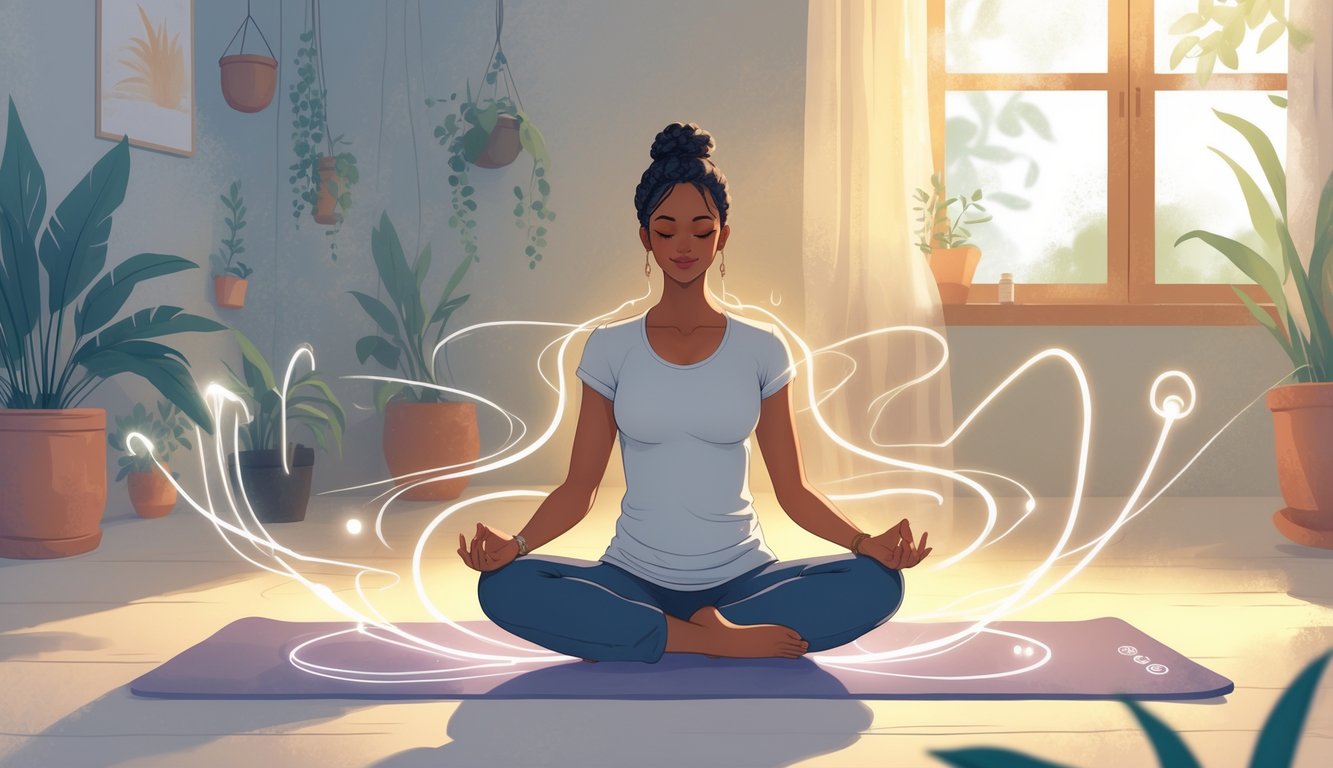
Tension and release exercises help your body let go of stress in your muscles. This practice works with your body’s natural ability to relax after tension.
Sit or stand in a comfortable position. Take a deep breath and tighten all the muscles in your feet and calves.
Hold this tension for 5-10 seconds while breathing normally. Release the tension all at once while exhaling.
Notice the warm, heavy sensation that follows. Move up to your thighs and repeat the process.
Tighten, hold, and release through each area—abdomen, chest, hands, arms, shoulders, neck, and face. Your body learns to release stored tension through this practice.
Try this exercise whenever you feel tense or anxious. You can do it anywhere—at your desk, in bed, or on a bus.
5. Safe Place Visualization

Safe Place Visualization helps you calm your mind when emotions feel overwhelming. This practice creates a mental sanctuary you can visit anytime you need to feel secure.
Find a quiet spot where you won’t be disturbed. Close your eyes and take three deep breaths, relaxing your body with each exhale.
Imagine a place where you feel completely safe and peaceful. Your safe place can be real or imaginary.
It might be a beach, forest, mountain cabin, or childhood bedroom. The key is that you feel protected and at ease.
Notice the details in your safe place. What do you see? What sounds surround you?
Are there any specific smells or textures? Engaging all your senses makes the visualization more calming.
When stress or anxiety strikes, you can return to this mental space to help your nervous system feel safe again.
6. Slow Gentle Stretching

Slow gentle stretching helps release tension stored in your body. Somatic stretching combines specific movements with mindful awareness to improve flexibility and enhance well-being.
Find a comfortable position sitting or lying down. Take a few deep breaths to center yourself before you start moving.
Move slowly and intentionally as you stretch. Pay attention to how each movement feels in your body.
You’ll notice areas of tightness or resistance that need extra care. Hold each stretch for 30-60 seconds while breathing deeply.
The combination of gentle movement and mindful breathing helps you relax and regulates your nervous system. Work within comfortable limits and back off if you feel pain.
This practice helps you reconnect with your body and release tension. You may feel immediate relief as your muscles relax and your mind quiets.
Try adding slow gentle stretching to your morning or evening routine. Even five minutes can make a difference in how you feel throughout your day.
7. Tremoring to Release Stress

Tremoring helps your body naturally release stored tension and trauma. This technique uses your body’s built-in mechanism to shake off stress through gentle, rhythmic movements.
You only need about 3-7 minutes to experience benefits from this practice. Your body naturally knows how to release tension through shaking.
Think about how your body might tremble after a scary experience or when you’re very cold. This is your nervous system‘s way of discharging excess energy.
Somatic shaking, also called neurogenic tremoring, helps restore emotional balance. The process works by triggering gentle tremors that help your body release stress stored in your muscles and tissues.
You can practice tremoring by finding a comfortable position and allowing your body to shake gently. Start with your legs or arms and let the movement happen naturally.
Many people feel calmer and more relaxed after tremoring sessions. Your nervous system gets a chance to reset, and you’ll often notice reduced muscle tension right away.
Trauma Release Exercises (TRE) are a structured form of tremoring you can learn to practice safely at home. These exercises help you tap into your body’s natural healing abilities.
8. Progressive Muscle Relaxation
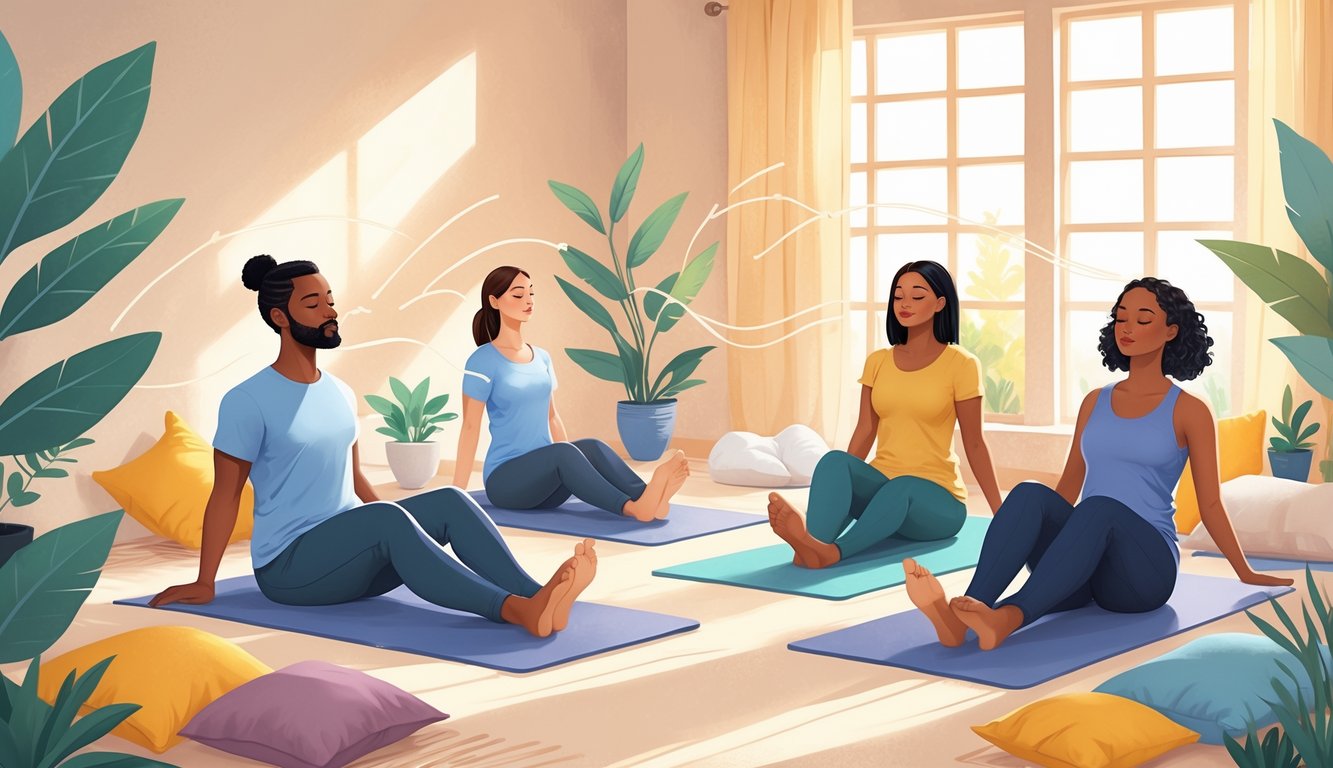
Progressive muscle relaxation helps release tension stored in your body. This simple practice involves tensing and then releasing different muscle groups one at a time.
To start, find a quiet space where you can sit or lie down comfortably. Close your eyes and take several deep breaths to center yourself.
Begin with your feet. Curl your toes tightly for 5-10 seconds, notice the tension, then release completely.
Feel the difference between the tense and relaxed states. Work your way up through your body.
Tense and release your calves, thighs, buttocks, abdomen, chest, hands, arms, shoulders, neck, and face. Spend time with each area.
Many people hold stress in their shoulders and jaw without realizing it. Pay special attention to these areas when practicing this exercise.
This technique stimulates the vagus nerve, which encourages relaxation and emotional regulation. Regular practice helps your body remember what true relaxation feels like.
Try practicing this exercise regularly to reduce muscle tension and decrease stress.
9. Tracking Physical Sensations
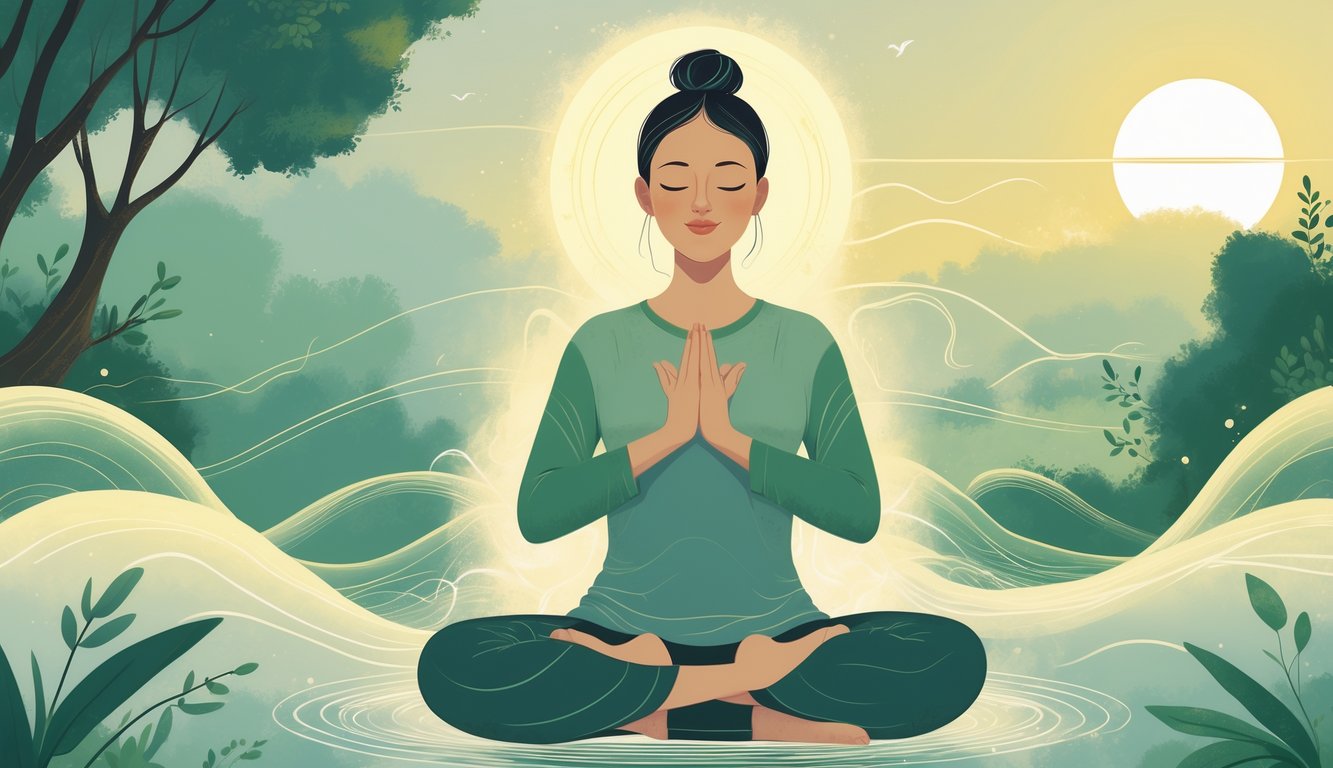
Tracking physical sensations in your body is a powerful somatic healing practice. This technique helps you build awareness of what’s happening inside your body moment by moment.
To start, find a comfortable position and close your eyes. Notice where your attention naturally goes in your body.
Is there tension, warmth, tingling, or other feelings? Stay curious about these sensations without trying to change them.
Just observe how they shift, move, or transform on their own. This is called somatic tracking and it’s especially helpful during pain flare-ups.
You can practice this for just a few minutes at a time. The more you track your physical sensations, the better you’ll understand your body’s signals.
Try naming the sensations you notice. Is it pulsing? Tight? Heavy?
Naming helps your brain process the experience more clearly. This practice creates a bridge between your mind and body.
Over time, tracking physical sensations can help release stored tension and trauma your body has been holding. Your body holds wisdom about your emotional state.
By tuning into physical sensations, you access information that might not be available through thinking alone.
10. Mindful Walking

Mindful walking combines movement with awareness. This practice helps you connect with your body.
You can turn an everyday activity into a powerful somatic healing exercise. To begin, find a quiet place where you can walk slowly without interruption.
As you take each step, notice how your feet feel as they touch the ground. Pay attention to the sensation of weight shifting from heel to toe.
Feel the muscles in your legs working with each step. Notice how your arms swing at your sides.
Observe how your breath flows in and out as you move. Focus on your breath as you walk, staying present with each movement.
When your mind wanders, gently bring your attention back to the physical sensations of walking. Try slowing down your pace even more.
This helps you notice each tiny movement involved in taking a step. You’ll become aware of muscles and movements you usually overlook.
Somatic walking helps release tension in your body. The rhythmic nature of walking calms your nervous system.
You can practice mindful walking anywhere—in your home, at a park, or even while running errands. Just a few minutes can help you feel more grounded and present in your body.